

Maintaining healthy lawns and trees is one of the most effective ways to enhance the overall appearance and usability of outdoor spaces. Well cared for landscapes not only improve curb appeal but also contribute to environmental stability, better air quality, and increased property value. Seasonal lawn maintenance plays a central role in ensuring that outdoor spaces remain vibrant and resilient throughout changing weather conditions. Each season presents unique challenges that require specific attention, from soil preparation in spring to protection strategies during winter months. Understanding how to adapt care routines accordingly helps prevent common issues such as soil compaction, poor drainage, pest infestations, and uneven growth.
A successful approach to lawn and tree care often involves a combination of proper planning, timely maintenance, and the use of professional services when needed. Elements such as top soil quality, irrigation installation, and tree trimming all work together to create a balanced and sustainable environment. In many cases, homeowners and property managers rely on a trusted tree company or local tree companies to assist with specialized tasks like tree removal, hydroseeding, or emergency tree services. These services ensure that outdoor spaces remain safe, functional, and visually appealing throughout the year.
By following structured seasonal practices and making informed decisions about care techniques, it becomes possible to maintain outdoor spaces that thrive in both appearance and performance. The sections below explore key components of lawn and tree maintenance in detail, offering practical guidance for achieving long-term success.
What Is The Importance Of Top Soil In Lawn Care
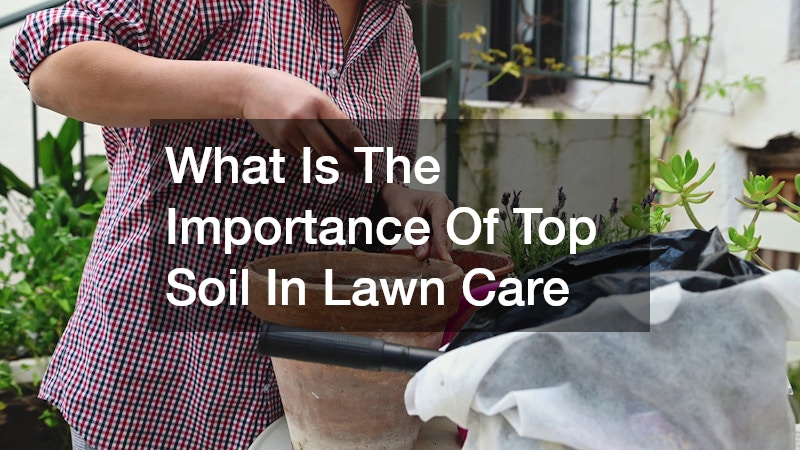
Top soil is the foundation of any healthy lawn and plays a critical role in supporting grass growth and tree health. It provides essential nutrients, improves soil structure, and enhances water retention, all of which contribute to more resilient outdoor spaces. Without quality top soil, lawns may struggle with poor drainage, nutrient deficiencies, and uneven growth patterns. This makes it an essential consideration when establishing new lawns or restoring existing ones.
Benefits Of High-Quality Top Soil
High-quality top soil contains a balanced mixture of organic matter, minerals, and microorganisms that promote healthy root development. It helps grass establish stronger root systems, which in turn improves drought resistance and overall durability. In outdoor spaces with trees, top soil also supports root expansion and nutrient uptake, contributing to long-term stability. When combined with proper irrigation installation, top soil allows water to penetrate effectively, reducing runoff and ensuring even distribution.
Another advantage of quality top soil is its ability to improve soil aeration. This allows oxygen to reach plant roots more easily, which is essential for metabolic processes. Property owners often incorporate top soil during lawn renovation projects or prior to hydroseeding to create an optimal growing environment. Local land clearing services may also recommend grading and top soil application to prepare a site for new landscaping projects. A well-prepared base can significantly reduce future maintenance challenges in outdoor spaces, especially in areas with heavy foot traffic or uneven terrain.
How To Identify Good Top Soil
Identifying good top soil involves evaluating its texture, color, and composition. Healthy top soil typically has a dark brown color and a crumbly texture that indicates the presence of organic material. It should not feel overly sandy or excessively clay-heavy, as these conditions can limit nutrient availability and water movement. When assessing top soil for outdoor spaces, it is also important to check for debris such as rocks, roots, or contaminants.
Another factor to consider is moisture retention. Good top soil should retain moisture without becoming waterlogged, which helps maintain consistent hydration for grass and trees. Consulting a tree company or local tree companies can provide additional insight when selecting top soil for areas with significant tree coverage. These professionals often understand how soil composition impacts both tree service needs and long-term landscape performance. Proper top soil selection ultimately supports healthier outdoor spaces and reduces the need for frequent corrective maintenance.
How To Plan For Irrigation Installation
Effective irrigation installation is essential for maintaining consistent moisture levels across outdoor spaces. Without a well designed irrigation system, lawns may experience dry patches, overwatering, or uneven growth. Planning begins with understanding the specific needs of the landscape, including soil type, plant varieties, and sun exposure. A properly installed irrigation system ensures that water is delivered efficiently, conserving resources while promoting healthy lawn and tree development.
Types Of Irrigation Systems
There are several types of irrigation systems available, each suited for different landscape conditions. Sprinkler systems are commonly used for lawns and provide broad coverage, making them ideal for large outdoor spaces. Drip irrigation systems, on the other hand, deliver water directly to the root zone of plants and trees, minimizing waste and evaporation. This method is particularly beneficial in areas with newly planted trees or gardens.
Some property owners also integrate smart irrigation technology, which adjusts watering schedules based on weather conditions and soil moisture levels. This approach improves efficiency and reduces water consumption. When working with a tree company or local tree companies, irrigation systems can be designed to accommodate tree placement and root structures, ensuring that both lawns and trees receive adequate hydration. Coordinating irrigation installation with top soil preparation further enhances system performance and supports long-term sustainability in outdoor spaces.
Tips For Efficient Irrigation Setup
Efficient irrigation setup requires careful planning and proper system design. One important consideration is zoning, which involves dividing outdoor spaces into sections based on water needs. Lawns, trees, and garden areas often require different watering schedules, and zoning allows for more precise control. This helps prevent overwatering in some areas while ensuring adequate hydration in others.
Another key factor is scheduling irrigation during early morning or late evening hours to minimize evaporation. Regular maintenance of the irrigation system is also essential to identify leaks, clogged nozzles, or misaligned sprinklers. Many homeowners rely on local land clearing services or a professional tree service provider when preparing sites for irrigation installation, especially in newly developed properties. Proper installation and maintenance contribute significantly to the health and appearance of outdoor spaces while reducing long-term water usage and operational costs.
Why Is Regular Tree Service Crucial
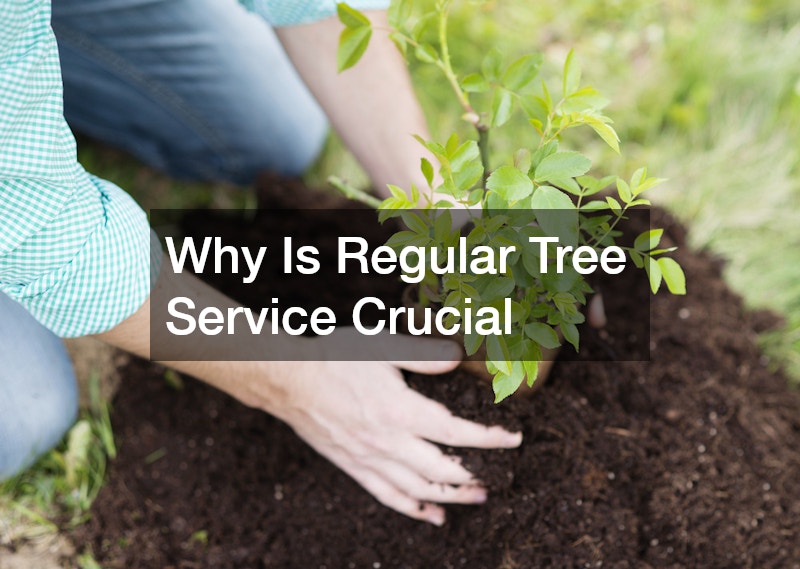
Regular tree service is an essential component of maintaining safe and attractive outdoor spaces. Trees provide shade, structure, and aesthetic value, but they also require consistent care to remain healthy and stable. Without proper maintenance, trees can become hazardous due to weak branches, disease, or structural instability. Routine inspections and care help identify potential issues early, reducing the risk of damage to property or injury.
Tree service encompasses a wide range of activities, including pruning, trimming, fertilization, and disease management. These services ensure that trees continue to grow in a controlled and balanced manner while maintaining their structural integrity. A professional tree company or local tree companies often provide comprehensive maintenance plans tailored to the specific needs of the landscape. In many cases, combining scheduled tree service with irrigation installation and proper soil management helps create more resilient outdoor spaces that can better withstand seasonal changes.
Signs Your Trees Need Service
There are several indicators that trees may require professional attention. Visible signs such as dead or broken branches, leaning trunks, or discolored leaves can suggest underlying health issues. In outdoor spaces with dense tree coverage, overcrowding may also limit sunlight and airflow, leading to increased susceptibility to pests and disease.
Another sign is the presence of fungal growth or decay around the base or trunk of the tree. These conditions often indicate internal damage that may require tree removal or specialized tree trimming techniques. In some cases, emergency tree services may be necessary if a tree poses an immediate safety risk due to storm damage or structural failure. Monitoring these signs helps maintain the overall health and safety of outdoor spaces while preventing minor issues from escalating into larger concerns.
Benefits Of Professional Tree Service
Hiring a professional tree service offers several advantages, particularly for complex or large-scale maintenance tasks. Experienced arborists have the knowledge and equipment needed to safely perform tree trimming, pruning, and tree removal when required. This reduces the risk of injury and ensures that work is completed efficiently and correctly.
Professional services also provide long-term value by improving tree health and extending lifespan. Regular maintenance from a qualified tree company helps prevent issues from escalating, which can save time and money over time. Local tree companies often understand regional climate conditions and soil characteristics, allowing them to tailor their approach to the specific needs of outdoor spaces. In addition, coordination with local land clearing services can be beneficial when managing larger properties or preparing areas for redevelopment, ensuring that outdoor spaces remain functional and well maintained.
How To Choose Local Tree Companies
Selecting the right provider among local tree companies is an important decision that can impact the quality and safety of your landscape maintenance. A reputable tree company should offer a range of services, including tree trimming, tree removal, and emergency tree services. Evaluating experience, certifications, and customer feedback can help narrow down the best options for maintaining outdoor spaces effectively.
Criteria For Selecting A Tree Company
When choosing a tree company, it is important to consider factors such as licensing, insurance, and industry experience. A qualified provider should have proper credentials and adhere to safety standards when performing tree service tasks. This ensures that both workers and property are protected during maintenance activities.
Equipment and service offerings are also key considerations. A well equipped company can handle a variety of tasks, from routine tree trimming to more complex tree removal projects. Additionally, some local tree companies collaborate with local land clearing services to manage larger projects that involve clearing multiple trees or preparing land for development. This is especially useful when transforming outdoor spaces that require grading, top soil application, or hydroseeding to establish new growth. Choosing a capable tree company ensures that all aspects of landscape care are handled professionally and efficiently.
Reading Reviews And Testimonials
Customer reviews and testimonials provide valuable insight into the reliability and quality of a tree company. Positive feedback often highlights professionalism, punctuality, and the effectiveness of completed work. When evaluating local tree companies, it is helpful to look for consistent patterns in reviews rather than isolated comments.
Testimonials can also reveal how a company handles emergency tree services or responds to unexpected challenges. This is particularly important for property owners who may require urgent assistance after storms or accidents. A trusted tree company will demonstrate strong communication, transparent pricing, and a commitment to customer satisfaction. Taking the time to research reviews ensures that outdoor spaces are maintained by professionals who deliver dependable and high-quality results, helping preserve both safety and visual appeal across seasons.
What Should You Know About Emergency Tree Services
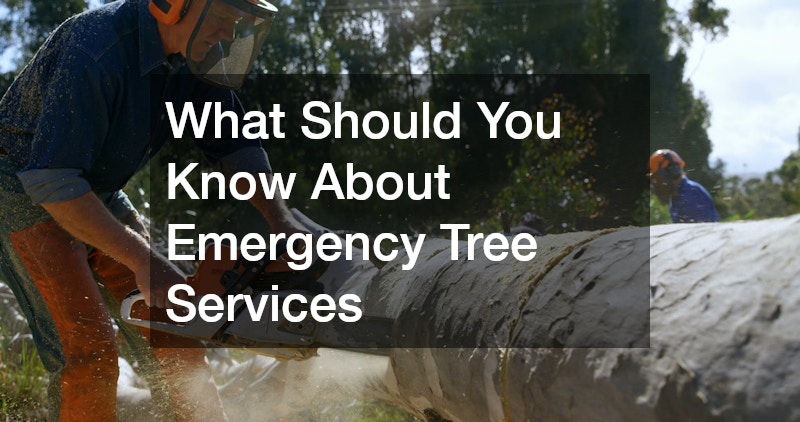
Emergency tree services are designed to address urgent situations where trees pose immediate risks to people, property, or surrounding infrastructure. These situations often arise after severe weather events, unexpected structural failures, or sudden disease-related collapse. In outdoor spaces, having access to reliable emergency response services is critical for minimizing damage and restoring safety quickly.
When To Call For Emergency Tree Services
Emergency tree services should be contacted when a tree has fallen or is at risk of falling onto structures, vehicles, or walkways. Large branches that are cracked, hanging, or partially detached also require immediate attention. In these scenarios, delaying action can increase the likelihood of further damage or injury.
Storm damage is one of the most common reasons for emergency tree service requests. High winds, heavy snow, or ice accumulation can weaken trees and cause instability. Local tree companies and a professional tree company are typically equipped to respond quickly in these situations, providing tree removal or stabilization services as needed. Their expertise ensures that outdoor spaces are cleared safely while preventing additional hazards from developing.
Preparing For A Tree Emergency
Preparing for potential tree emergencies involves regular inspections and proactive maintenance. Routine tree trimming and monitoring can help identify weak branches or structural concerns before they become critical issues. Property owners should also maintain contact information for local tree companies or a trusted tree service provider to ensure quick response when needed.
In addition, having an understanding of your landscape layout can help emergency crews respond more effectively. Knowing the location of large trees, irrigation installation systems, and underground utilities allows for safer and more efficient operations. Combining preventative care with readiness planning helps protect outdoor spaces and reduces the impact of unexpected tree-related emergencies.
What Are The Benefits Of Hydroseeding
Hydroseeding is a planting method that involves spraying a mixture of seed, mulch, water, and nutrients onto prepared soil. This technique is widely used to establish grass quickly and evenly across outdoor spaces. It is especially useful for large areas, slopes, or sites that have undergone land clearing or grading.
Comparing Hydroseeding And Traditional Seeding
Hydroseeding offers several advantages over traditional seeding methods. One of the primary benefits is improved seed-to-soil contact, which promotes faster germination and more uniform growth. The mulch component helps retain moisture and protects seeds from erosion, making it ideal for outdoor spaces exposed to wind or rainfall.
Traditional seeding, while cost-effective, often requires more time and careful maintenance to achieve similar results. Hydroseeding provides a more controlled environment for seed establishment, reducing the likelihood of patchy growth. Local land clearing services frequently recommend hydroseeding after site preparation, especially when top soil has been added to create a stable base. This combination supports quicker lawn establishment and enhances the overall appearance of outdoor spaces.
Best Practices For Hydroseeding
To achieve the best results with hydroseeding, proper site preparation is essential. The soil should be graded, cleared of debris, and supplemented with quality top soil to create an optimal growing environment. Irrigation installation should also be considered to maintain consistent moisture levels during the germination period.
After application, it is important to follow a watering schedule that keeps the soil moist without causing runoff. Avoid heavy foot traffic on newly hydroseeded areas until the grass is well established. Working with a tree company or local tree companies can also help coordinate hydroseeding efforts with tree trimming or tree removal projects, ensuring that outdoor spaces are developed in a cohesive and efficient manner. Proper planning and maintenance will result in healthy, dense turf that enhances the functionality and beauty of outdoor spaces.
Seasonal lawn maintenance plays a vital role in keeping outdoor spaces healthy, functional, and visually appealing throughout the year. By understanding the importance of foundational elements such as top soil, property owners can create a strong base that supports both grass and tree growth. When combined with effective irrigation installation, landscapes can maintain consistent moisture levels, reducing stress on plants while promoting even development across lawns and planted areas.
Tree care is equally important in preserving the safety and balance of outdoor spaces. Regular tree service, including tree trimming and periodic assessments by a qualified tree company or local tree companies, helps prevent potential hazards while encouraging long-term tree health. In situations where risks arise unexpectedly, emergency tree services provide timely intervention to protect property and restore stability. For larger projects, services such as tree removal and local land clearing services can help reshape and prepare outdoor spaces for new growth or redevelopment.