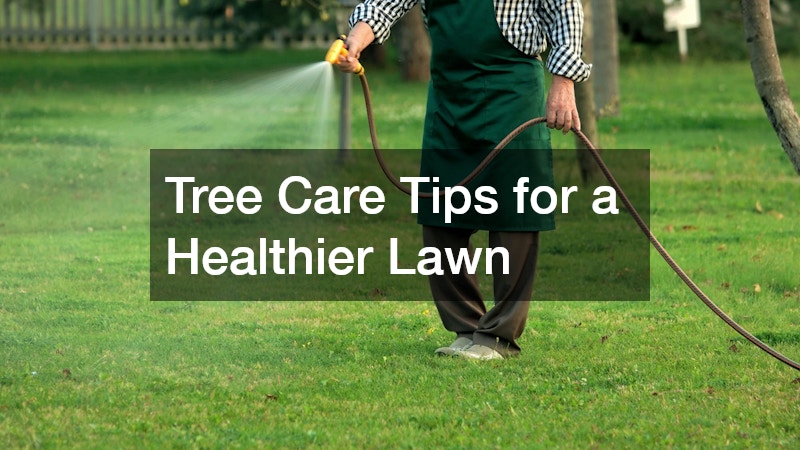

A healthy lawn is not only about mowing, watering, and fertilizing. Trees play a major role in how well grass grows, how much sunlight reaches the soil, how moisture moves through the yard, and how safe the outdoor space remains throughout the year. When trees are healthy and properly maintained, they can make a lawn more attractive, comfortable, and enjoyable. They provide shade, improve curb appeal, reduce heat, support wildlife, and create a more finished landscape.
However, trees can also create challenges. Thick canopies may block too much sunlight. Large roots can compete with grass for water and nutrients. Fallen leaves, branches, and fruit can smother turf if left uncleaned. Damaged or diseased trees can create safety concerns, especially during storms. In some cases, decaying wood can attract pests that threaten both the yard and the home.
Understand How Shade Impacts Grass Growth
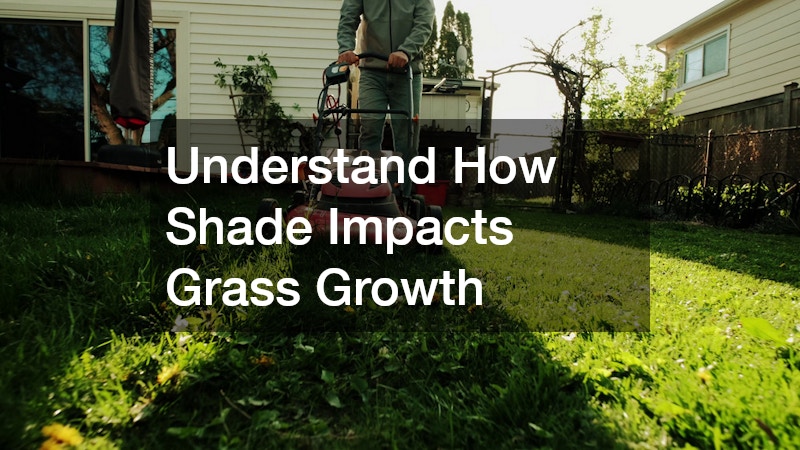
One of the most common reasons grass struggles beneath trees is limited sunlight. Most turfgrasses need several hours of direct or filtered sunlight each day to grow thick and healthy. When tree canopies become too dense, grass may turn thin, patchy, pale, or weak. In heavily shaded areas, homeowners may notice bare spots where grass simply cannot compete.
A local arborist can help determine whether a tree’s canopy, roots, or overall health is affecting the lawn. In some cases, selective pruning may allow more sunlight and airflow to reach the ground. In other cases, homeowners may need shade-tolerant grass, mulch, groundcover, or landscape beds where turf is unlikely to thrive.
Keep Branches Properly Maintained
Routine trimming is one of the most effective ways to help trees and lawns stay healthy together. When branches grow too low, too thick, or too close together, they can limit sunlight, reduce airflow, and increase debris on the lawn. Proper pruning helps shape the tree, remove weak limbs, and create better conditions beneath the canopy.
A professional tree trimming service can safely handle branches that are too high, too large, or too close to structures. This is especially important when limbs hang over roofs, driveways, fences, sheds, or play areas. Poor trimming can damage a tree, create entry points for disease, or weaken its structure.
Homeowners should avoid topping trees or cutting large branches without a plan. Removing too much canopy at once can stress the tree and expose the lawn to sudden changes in sunlight. A healthy tree with a well-managed canopy can enhance the yard while still providing the lawn with enough light and air.
Watch for Early Signs of Decline
A tree service can inspect the tree and recommend care options. Sometimes, a declining tree can be improved with pruning, soil care, pest treatment, watering adjustments, or cabling. Other times, the safest choice may be removal. The earlier homeowners act, the more options they usually have.
Tree decline can affect the lawn by causing:
- Dead limbs to fall and damage turf
- Decaying wood to attract pests
- Diseased debris to spread problems
- Excess leaf drop to smother grass
- Root issues to disturb the soil surface
Homeowners should also pay attention to the base of the tree. Mushrooms, cavities, sawdust-like material, or hollow-sounding wood can suggest internal decay or pest activity. If a tree is close to a home, driveway, sidewalk, or utility line, warning signs should be taken seriously.
Know When Removal Is the Better Choice
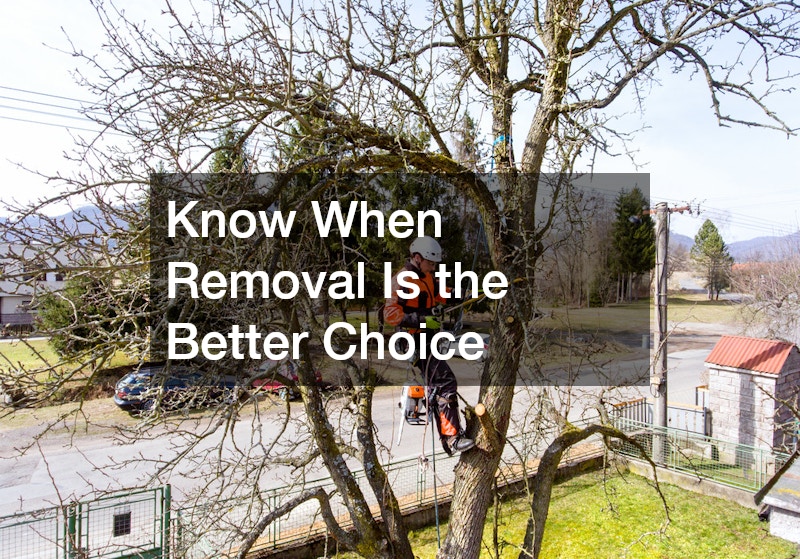
Tree removal is not always the first solution, but there are times when it is the safest and most practical option. A tree may need to come down if it is dead, severely diseased, badly storm-damaged, leaning dangerously, or growing too close to the home. Removal may also be necessary when roots are damaging foundations, sidewalks, driveways, septic systems, or underground lines.
Local tree removal can improve lawn conditions by increasing sunlight in the yard and reducing root competition. Grass may recover in areas that were previously too shaded or too dry. Removing a problematic tree can also create space for a new lawn layout, garden bed, patio, or safer play area.
Tree removal may be worth considering when:
- More than half the tree appears dead or damaged
- The trunk is hollow or severely cracked
- Large limbs fall repeatedly
- The tree leans toward a structure
- Roots are lifting hardscapes or damaging systems
- The tree blocks too much sunlight for healthy turf
After removal, homeowners should also think about stump grinding and lawn repair. A leftover stump can become a mowing obstacle, attract insects, and make the yard look unfinished. Once the stump is removed, the area may need topsoil, grading, seed, sod, or mulch, depending on future plans.
Choose Professional Help for Larger Projects
Major tree work is not a simple weekend project. Large limbs, tall trunks, power lines, nearby structures, and heavy equipment all create risk. Even homeowners who are comfortable with basic yard work should be cautious about handling major cutting or removal themselves.
A qualified tree removal company should have the right equipment, insurance, safety training, and experience to manage the project properly. This protects the homeowner, the property, and nearby people. It also helps ensure that the work is completed without unnecessary damage to the lawn, driveway, fence, roof, or surrounding landscape.
Prepare for Storm Damage Before It Happens
Storms can turn weak trees into urgent hazards. High winds, heavy rain, lightning, snow, and ice can break branches, split trunks, or push trees toward homes, cars, fences, and power lines. A tree that seems manageable during normal weather may become dangerous when the ground is saturated or the canopy is buffeted by strong winds.
An emergency tree removal service is important when a tree or large limb creates an immediate safety risk. This may include a tree resting on a roof, blocking a driveway, leaning toward a structure, or interfering with utility lines. Homeowners should never try to remove storm-damaged trees near power lines or unstable structures on their own.
Before storm season, homeowners can reduce risk by:
- Removing dead or hanging branches
- Checking for cracks or weak branch connections
- Inspecting trees near the home
- Clearing branches away from the roof
- Watching for leaning trees after heavy rain
- Keeping gutters and drainage areas clear
Storm preparation benefits the lawn as well. Fallen limbs can tear turf, compact soil, damage irrigation systems, and create cleanup challenges. Preventive tree care reduces the risk of severe lawn damage and helps the property recover more quickly after bad weather.
Reduce Conditions That Attract Wood-Destroying Pests
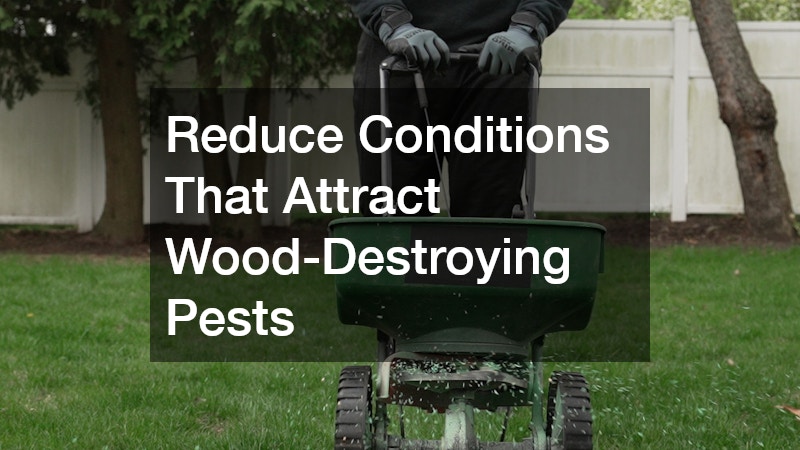
Trees, stumps, mulch, and damp wood can create conditions that attract pests. While not every insect is harmful, some can spread from the yard toward decks, sheds, fences, or the home itself. Rotting wood and moisture-heavy areas are especially concerning because they provide food and shelter for destructive pests.
Termite treatment may be needed if activity is found near tree stumps, wood piles, fence posts, landscape timbers, or the foundation. Termites often remain hidden, so homeowners may not notice a problem until damage is already underway. Keeping the yard clean and dry can reduce risk, but professional treatment may be necessary when signs of activity appear.
To reduce pest-friendly conditions, homeowners should:
- Remove dead wood and fallen branches
- Avoid stacking firewood against the house
- Keep mulch away from siding and foundations
- Grind or remove old stumps
- Fix drainage problems
- Trim vegetation away from structures
- Repair leaking outdoor faucets
Tree health matters because stressed or decaying trees are more likely to attract insects. A lawn with rotting stumps, wet mulch, and untreated wood debris can become a bridge between the landscape and the home.
Monitor the Yard for Pest Activity
Pest prevention is an ongoing part of maintaining a healthy yard. Trees, lawns, garden beds, mulch, and moisture patterns can all influence pest activity. When homeowners understand where pests are likely to gather, they can take steps to reduce the chance of an infestation.
Termite control often involves more than a single treatment. It may include inspection, monitoring, moisture correction, barrier methods, and follow-up care. The goal is to reduce conditions that allow termites to thrive and to address activity before it reaches valuable structures.
Tree and lawn care can support pest prevention by improving airflow, reducing damp areas, and removing decaying material. Excess shade and poor drainage may create moist soil that encourages unwanted activity. Overgrown landscaping can also hide signs of damage.
Consider Lower-Impact Prevention Options
Many homeowners want pest prevention methods that are effective but also mindful of the surrounding landscape. Children, pets, gardens, pollinators, and nearby water sources may influence treatment choices. While serious infestations may require targeted professional methods, prevention can often include lower-impact steps.
Natural termite control may appeal to homeowners who want to reduce chemical use where appropriate. Depending on the situation, this may involve reducing moisture, removing wood, installing physical barriers, using baiting strategies, managing soil, and other approaches to make the yard less attractive to pests.
It is important to be realistic. Natural or lower-impact methods may help with prevention, but active infestations should be professionally evaluated. The right solution depends on the severity of the issue, the type of pest, the location of the activity, and the risk to the home.
Handle Stinging Insects With Care
Bees, wasps, hornets, and other stinging insects can create problems around trees, shrubs, sheds, and garden areas. Some may nest in hollow trunks, low branches, old stumps, or landscape features. Others may be attracted to flowering plants, fallen fruit, or standing water. While some insects are beneficial pollinators, nests in high-traffic areas can create safety concerns.
Bee control services can help homeowners identify the insect and determine the safest next step. This is important because bees and wasps require different handling. Honeybees, for example, may be relocated in some cases, while aggressive wasp nests near play areas, patios, or doorways may need removal.
Homeowners should avoid disturbing a nest without knowing what they are dealing with. Spraying, poking, mowing too close, or shaking branches can trigger defensive behavior. This can be especially dangerous for children, pets, or anyone with allergies.
Signs of a possible nest include:
- Repeated insect activity in one location
- Buzzing from a hollow tree or wall area
- Insects entering a hole in the ground
- A visible paper nest in branches or eaves
- Increased activity near fallen fruit or flowers
Professional identification helps protect beneficial pollinators while addressing safety risks. Stinging insects are part of the outdoor environment, but they need to be managed carefully when they interfere with safe lawn use.
Help the Lawn Recover After Tree Work
Tree work can temporarily disturb the lawn. Heavy equipment, falling branches, stump grinding, exposed roots, and cleanup activity may leave ruts, bare spots, compacted soil, or uneven areas. With the right recovery plan, homeowners can restore the lawn and often improve it beyond its previous condition.
After trimming, removal, or stump grinding, the first step is cleanup. Wood chips, sawdust, leaves, and small branches should be removed or redistributed appropriately. Too much debris left on the grass can block sunlight and hold moisture against the turf. Stump grinding areas may need extra attention because the remaining wood chips can affect soil balance.
If a tree were removed, the pattern of sunlight in the yard might change. Areas that were once shady may now support thicker turf. This can be a good time to reassess the lawn plan, improve soil, and choose grass varieties that match the new conditions.
Build a Seasonal Maintenance Plan
In spring, homeowners should inspect trees for winter damage, check for dead branches, clean up leftover debris, and evaluate bare lawn areas. This is also a good time to look for pest activity and plan pruning if needed.
In the fall, leaf cleanup is essential. Leaves left on the lawn too long can block sunlight, trap moisture, and weaken turf. Fall is also a good time for aeration, overseeding, and preparing trees for winter weather.
In winter, homeowners should watch for broken limbs, heavy snow loads, and ice damage. Dormant-season inspections can help identify structural issues before spring storms arrive.
Healthy trees can make a lawn more beautiful, comfortable, and valuable, but they need the right care. When branches are maintained, pests are monitored, dead wood is removed, and storm risks are addressed early, the entire yard benefits. Grass receives better light and airflow, outdoor areas become safer, and homeowners can avoid many preventable problems.
The best results come from balance. Trees should be preserved and cared for whenever possible, but unsafe or unhealthy trees should not be ignored. With regular maintenance, seasonal planning, and quick action when warning signs appear, homeowners can create an outdoor space where both trees and grass support a healthier, safer, and more enjoyable lawn.