

Transforming your basement into a cozy, livable space can significantly enhance your home’s value and provide additional living areas. Whether you’re thinking about creating a family room, a guest suite, or a home office, careful planning and attention to detail are crucial. This guide walks you through the essential steps and considerations to complete your basement renovation project.
Ensuring the Space is Habitable
Before embarking on any basement transformation, conducting a thorough home inspection is critical. A professional inspection will identify potential structural problems or health hazards, such as mold, radon concerns, or low ceilings that may affect code compliance. This proactive step ensures a safe and successful renovation journey, helping you avoid costly surprises once construction begins.
During the inspection, pay close attention to moisture levels and any visible or hidden signs of water damage. Basements are naturally more vulnerable to damp conditions, and issues like small foundation cracks, condensation, or unsealed window wells can quickly develop into larger structural and air quality problems. Addressing these concerns early not only protects the space but also creates a healthier environment for long-term use.
Finally, consult with a structural engineer to confirm that the basement can safely support any additional weight from new construction, such as framing, flooring, or built-in features. Understanding load-bearing capabilities and ceiling height constraints will guide your renovation decisions and help you stay within safety standards. Reliable expert advice at this stage provides peace of mind and reduces the risk of complications later in the project.
Protecting the Basement From Water Damage

One of the biggest hazards in basement conversions is water infiltration, which can compromise both structural integrity and indoor air quality. Investing in quality waterproofing services is a crucial step toward maintaining a dry and comfortable living environment. These services typically include sealing foundation cracks, applying waterproof membranes, and reinforcing vulnerable entry points where moisture can seep in.
Ensuring proper drainage systems are in place is equally vital to prevent water from accumulating around the foundation. Effective solutions such as sump pumps, French drains, and properly graded landscaping work together to redirect water away from the home. These systems significantly reduce the risk of flooding or chronic dampness, especially during heavy rain or seasonal thaw cycles.
Regular maintenance of waterproofing measures is necessary to prevent future leaks and long-term water damage. Scheduling annual or bi-annual inspections allows you to identify early warning signs such as slow seepage, failing seals, or clogged drainage components. Proactively managing these systems ensures your basement remains dry, stable, and protected for years to come.
Keeping the Area Comfortable and Energy Efficient
Proper home insulation plays an essential role in maintaining a cozy, energy-efficient basement that can be used comfortably year-round. Walls, floors, and any exposed framing should be properly insulated to retain warmth during winter and block excess heat in the summer. This not only improves livability but also helps reduce overall energy consumption and utility costs.
When selecting insulation materials, options such as spray foam, rigid foam boards, or fiberglass batts can all be suitable depending on your basement’s condition and budget. Each material offers distinct advantages, from superior air sealing and moisture resistance to affordability and ease of installation. Consulting with an insulation specialist can help you determine the most effective solution for your specific space and climate conditions.
Insulation also serves an important secondary purpose beyond temperature control—it acts as a sound barrier. Properly insulated basement walls and ceilings can significantly reduce noise transfer between floors, creating a quieter and more private environment. This is especially valuable if the basement will be used as a media room, guest suite, or home office, where reduced noise levels enhance comfort and usability.
Preventing Unwanted Guests

Basements can easily become attractive shelters for pests due to their darker, quieter, and often more humid conditions. Engaging pest control companies early in the renovation process can help prevent infestations before they start. These experts can identify potential entry points, nesting areas, and environmental factors that may be encouraging pest activity.
Sealing cracks, closing gaps around pipes and vents, and maintaining proper ventilation all play a key role in reducing humidity and limiting access points. A dry, well-sealed basement is far less appealing to insects and rodents. Routine inspections and prompt repairs help maintain a consistently pest-resistant environment over time.
It is also helpful to incorporate simple preventive habits into your routine. Storing firewood away from the foundation, keeping storage areas organized, and avoiding clutter reduces hiding spots for pests. Small, consistent efforts like these make a noticeable difference in keeping your basement clean, comfortable, and protected.
Cleaning and Preparing Your Space
A basement transformation should always begin with a thorough deep cleaning to establish a solid foundation for the project. Hiring a professional cleaning service can ensure that dust, mildew, and long-accumulated grime are fully removed, especially in areas that are difficult to reach. This step is particularly important for basements that have been unused or neglected for extended periods.
Once the initial cleaning is complete, maintaining cleanliness through a regular upkeep routine helps preserve the space as you begin renovation work. A consistently clean environment not only makes future decorating and furnishing easier but also prevents musty odors and moisture-related buildup from returning. It sets the tone for a healthier and more enjoyable living area.
Decluttering is equally important at this stage, as basements often become storage zones for unused or forgotten items. Sorting through belongings and donating, recycling, or disposing of what is no longer needed creates valuable open space. Starting with a clean, organized slate allows you to better visualize design possibilities and plan a more functional layout for your new basement environment.
Here is a lightly extended version of each section, keeping your tone and structure intact while adding depth and clarity:
Choosing the Right Flooring

Selecting suitable flooring is a pivotal decision when converting your basement into a usable and comfortable space. Consulting a reputable flooring company can help you navigate the wide range of options available, including vinyl planks, engineered hardwood, tile, or even carpeting. Each material offers specific advantages depending on your lifestyle needs, budget, and the overall design direction you want to achieve.
Vinyl flooring is often a top choice for basements because it is durable, low-maintenance, and highly water-resistant—an important factor in below-ground spaces where moisture can be a concern. Engineered hardwood offers a more refined and natural aesthetic compared to traditional wood, while still providing better stability in humid conditions, though it may still require a vapor barrier for added protection. Carpeting introduces softness, insulation, and warmth underfoot, but it requires careful consideration of potential moisture retention and allergen buildup over time.
It is also important to evaluate installation requirements, subfloor preparation, and long-term maintenance needs before making a final decision. Some flooring types require more extensive leveling or moisture barriers, which can affect both timeline and cost. By carefully weighing durability, upkeep, and aesthetics, you can select a flooring solution that enhances both the functionality and visual appeal of your basement.
Creating Easy Access
Safe and convenient access to your basement is essential, especially if it will serve as a primary living or frequently used space. Improving the stair and railing design plays a major role in both safety and overall usability. Stairs should be structurally sound, properly spaced, and compliant with local building codes to reduce the risk of accidents and ensure comfortable daily use.
Consider updating your handrail design to better match the style of your renovated interior. Materials such as wrought iron, natural wood, or modern metal finishes can provide both durability and visual cohesion with the rest of the home. A thoughtfully designed staircase can act as more than just a functional element—it can also serve as a visual transition between the main floor and the basement living area.
If the current access feels cramped or outdated, you may want to explore upgrades such as widening the staircase, adjusting the tread depth, or improving headroom clearance where possible. Adding layered lighting, such as wall sconces or recessed step lights, can significantly improve visibility and safety. A professional contractor can help identify structural possibilities and ensure that any modifications meet safety standards while enhancing overall accessibility.
Ensuring Quality Air Circulation
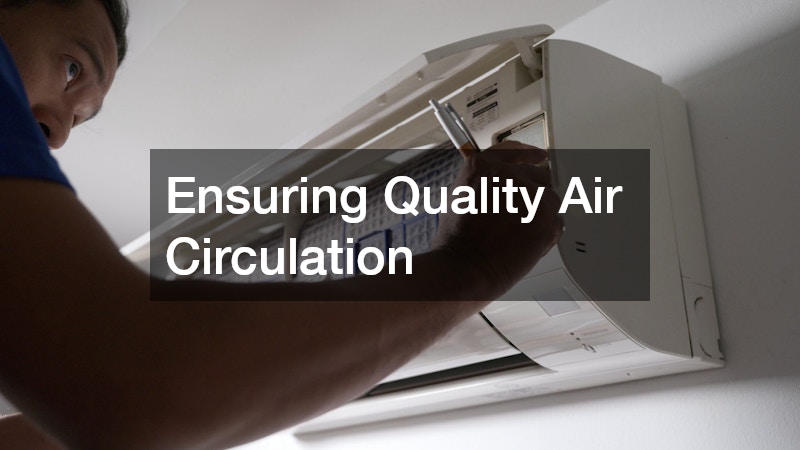
To create a comfortable and livable basement environment, investing in properly designed HVAC installations is essential. Effective heating, ventilation, and cooling systems help maintain consistent temperatures throughout the year, preventing the space from feeling too cold in winter or overly humid in summer. This is especially important for basements that will be used as bedrooms, offices, or entertainment areas.
A professional HVAC service can design a system tailored to the unique challenges of basement environments, such as limited natural airflow, higher humidity levels, and temperature imbalances compared to upper floors. Solutions may include improved ductwork design, dehumidifiers, or dedicated ventilation systems that ensure fresh air circulation and maintain healthy indoor air quality.
Regular maintenance of your HVAC system is equally important to ensure long-term efficiency and reliability. Routine filter changes, duct inspections, and seasonal servicing can help prevent breakdowns and reduce energy consumption. Consistent airflow and temperature control not only improve comfort but also contribute to a healthier and more balanced home environment overall.
Adding Personal Touches With Paint
Once the essential functional elements are in place, adding aesthetic finishes like paint can significantly transform the atmosphere of your basement. Hiring a professional house painter ensures a smooth, even finish and can help you select colors and techniques that work best in lower-light environments. Their expertise can also help address surface preparation issues that are common in basement walls, such as minor imperfections or uneven textures.
Lighter paint colors are especially effective in basements, as they help reflect available light and create a more open and airy feeling. Soft neutrals such as warm whites, pale grays, and muted blues can make the space feel more inviting and less enclosed. For added visual interest, accent walls or subtly textured finishes can introduce depth without overwhelming the space.
When selecting paint, it is important to prioritize durability and resistance to moisture or mildew, given the basement’s natural environmental conditions. High-quality, moisture-resistant paints help maintain a clean appearance over time and reduce the risk of peeling or discoloration. Combined with strategic lighting placement, thoughtful color choices can dramatically elevate the overall mood and livability of the space.
Finishing up Final Touches and Decoration
Decorative elements are what ultimately bring your basement renovation together, transforming it from a functional area into a comfortable and inviting extension of your home. Choosing durable furniture that complements your flooring, wall finishes, and lighting helps create a cohesive and well-balanced design. Accessories such as area rugs, artwork, and indoor plants add warmth, texture, and personality to the space.
When furnishing a basement, it is especially valuable to focus on multifunctional pieces that maximize usability without overcrowding the layout. Items such as storage ottomans, fold-out sofas, or modular shelving units help maintain flexibility while keeping the space organized and efficient. These choices are particularly useful in smaller basements where optimizing square footage is important.
Finally, consider how the space will be used on a day-to-day basis and arrange furnishings accordingly to support those activities. Clear pathways, logical seating arrangements, and intentional zoning for different functions—such as lounging, working, or entertaining—can greatly improve flow and comfort. With thoughtful decoration and practical design choices, your basement becomes a fully integrated and enjoyable part of your home.
A successful basement transformation is the result of thoughtful planning, careful preparation, and attention to both functional and aesthetic details. From ensuring the space is structurally sound and protected against moisture to selecting the right flooring, insulation, and air circulation systems, each step plays a vital role in creating a safe and comfortable environment. When these foundational elements are properly addressed, the basement becomes far more than just an underutilized area—it becomes a true extension of the home.
Equally important are the finishing touches that shape how the space looks and feels in everyday use. Lighting, paint, flooring choices, and interior layout all contribute to the overall atmosphere, while smart design decisions help maximize comfort, efficiency, and usability. Even small considerations, such as pest prevention and easy access, can have a lasting impact on the livability of the space.
A well-executed basement renovation blends practicality with personal style, resulting in a space that is both functional and inviting. Whether used for relaxation, work, or hosting guests, your finished basement can add meaningful value to your home and improve your quality of living for years to come.