

Designing a yard that works with your climate is one of the smartest ways to create an outdoor space that stays attractive, functional, and manageable year after year. Climate affects everything from how plants grow to how materials age and how often maintenance is required. When a yard is designed without considering local weather patterns, homeowners often face recurring problems like poor drainage, dying plants, or surfaces that crack, warp, or become uncomfortable to use.
A climate-aware approach allows outdoor spaces to feel intentional rather than reactive. Instead of constantly adjusting, repairing, or replacing features, the yard naturally responds to seasonal changes. Thoughtful planning helps outdoor areas stay usable during heat waves, heavy rains, or colder months, while also reducing long-term costs and environmental impact. Whether the goal is relaxation, entertaining, or everyday enjoyment, climate plays a central role in how successful the final design will be.
By understanding environmental conditions early in the planning process, homeowners can make decisions that align with how their yard will actually be used. This creates outdoor spaces that feel cohesive, practical, and welcoming throughout the year rather than just during ideal weather.
Understanding Your Local Climate Before You Design

Designing a yard that truly works starts long before plants go into the ground or materials are selected. Climate plays a defining role in how outdoor spaces perform, age, and remain functional over time. Temperature extremes, seasonal rainfall, humidity levels, and wind exposure all influence which materials last, which plants thrive, and how much ongoing maintenance a yard will require. Ignoring these factors often leads to frustration, higher costs, and outdoor areas that look good briefly but fail long-term.
A climate-aware design approach helps homeowners make smarter decisions from the outset. In hot, dry regions, water conservation becomes a priority, while colder climates demand materials that withstand freeze-thaw cycles. Areas prone to heavy rainfall require careful grading and drainage planning to avoid erosion and standing water. Even sun exposure changes throughout the year, affecting plant health and how outdoor areas are used during different seasons.
Designing with climate in mind also supports sustainability. Choosing climate-appropriate materials and layouts reduces the need for excessive watering, chemical treatments, or frequent repairs. It allows a yard to function naturally alongside its environment instead of fighting against it. Over time, this approach creates outdoor spaces that feel more comfortable, require fewer resources, and stay visually appealing throughout the year.
A successful climate-based yard design balances aesthetics with practicality. It considers how people use the space while respecting environmental conditions. This foundation ensures that every later decision, from surfaces to plant placement, works cohesively rather than creating avoidable challenges down the line.
Planning Structures and Layouts That Adapt to Weather Conditions
Structural elements play a major role in how well a yard handles climate stress. Walkways, borders, slopes, and built features must respond to environmental conditions rather than ignore them. In regions with heavy rain, proper grading and durable materials prevent washouts and shifting. In windy or coastal climates, layouts that reduce exposure protect both plantings and hardscape investments.
A climate-adapted layout starts with understanding water movement. Where rain falls, how it drains, and where it collects should guide the placement of paths, patios, and gathering areas. In colder areas, snow load and ice formation influence spacing and material choices. In warmer climates, shade patterns and airflow become essential for comfort.
Structural planning also affects long-term maintenance. Thoughtful spacing reduces overcrowding and allows materials to expand or contract without damage. Designs that account for seasonal change prevent cracking, warping, or erosion that often occurs when climate realities are overlooked. These considerations are especially important for yards built on slopes or in areas with unstable soil.
When durability is prioritized, outdoor spaces remain usable throughout the year instead of becoming seasonal liabilities. Climate-smart layouts improve safety, protect investments, and enhance overall enjoyment. They also make future upgrades easier, as additions can follow the same environmental logic rather than requiring costly rework.
Retaining walls are often incorporated into climate-conscious designs to manage elevation changes, reduce soil erosion, and improve drainage in areas with heavy rainfall or uneven terrain. When properly designed for local weather patterns, they help stabilize landscapes while creating visually appealing transitions between levels. In freeze-prone regions, proper footing depth and material selection prevent shifting and cracking over time.
Choosing Surfaces and Ground Cover That Perform Year-Round
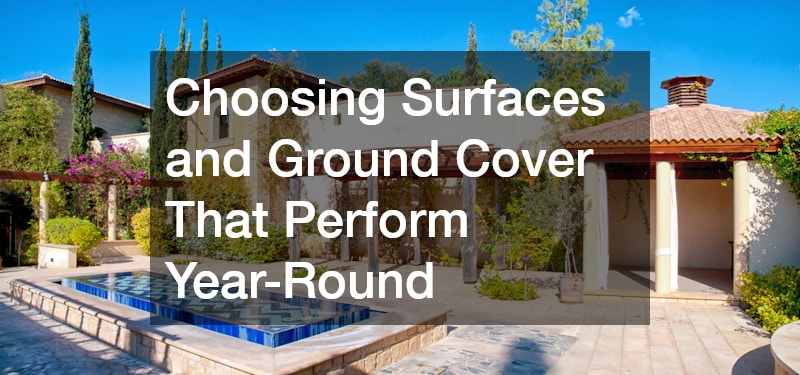
Ground surfaces experience constant exposure to weather, making them one of the most climate-sensitive elements in yard design. Heat, moisture, frost, and UV exposure all influence how surfaces wear and how safe they remain. Selecting the right ground cover helps control temperature, manage water, and reduce ongoing maintenance.
In hot climates, reflective or heat-resistant surfaces prevent excessive heat buildup. Cooler regions benefit from materials that resist cracking during freeze-thaw cycles. Permeable surfaces are especially valuable in areas with frequent rain, allowing water to drain naturally and reducing runoff. Ground cover choices also affect comfort, particularly in spaces designed for barefoot use or family activities.
Beyond performance, ground materials influence aesthetics and usability. A surface that looks appealing but becomes slippery or unstable in certain conditions can limit how often the space is used. Climate-aware selections strike a balance between appearance and function, ensuring the yard remains inviting throughout the year.
These decisions also impact water use and sustainability. Choosing ground covers that support natural drainage or require minimal irrigation helps reduce environmental strain. When surfaces align with climate demands, homeowners experience fewer repairs and a more consistent outdoor experience.
Fake grass is often chosen in regions where maintaining natural turf is difficult due to heat, drought, or water restrictions. When installed with proper base preparation and drainage, it provides a consistent appearance year-round without the challenges of seasonal browning or muddy conditions caused by excess rain.
Designing for Water Use, Drainage, and Seasonal Rainfall
Water management is one of the most critical factors in climate-responsive yard design. Too much water can be just as damaging as too little, leading to erosion, pooling, and plant loss. Designing for local rainfall patterns ensures that water moves through the landscape efficiently without compromising usability or safety.
In wetter climates, drainage planning prevents water from collecting near foundations or high-traffic areas. Sloped grading, channels, and thoughtfully placed plant beds guide excess water away from structures. In drier regions, efficient irrigation and moisture retention techniques help plants survive without wasteful watering practices.
Seasonal variability adds another layer of complexity. A yard may experience long dry periods followed by intense storms. Designs that accommodate both extremes reduce stress on plants and materials. Water-conscious layouts also protect soil integrity, preventing compaction or nutrient loss caused by repeated saturation.
Long-term success depends on aligning water systems with climate realities. Overdesigned irrigation leads to waste, while underprepared drainage causes damage. When water movement is treated as a design feature rather than an afterthought, the entire yard functions more smoothly throughout the year.
Sprinkler installation plays a key role in climate-adapted yards by delivering water efficiently based on local conditions rather than fixed schedules. Systems designed with weather patterns in mind help avoid overwatering during rainy seasons and ensure consistent hydration during dry periods without unnecessary runoff.
Creating Outdoor Spaces for Comfort and Function
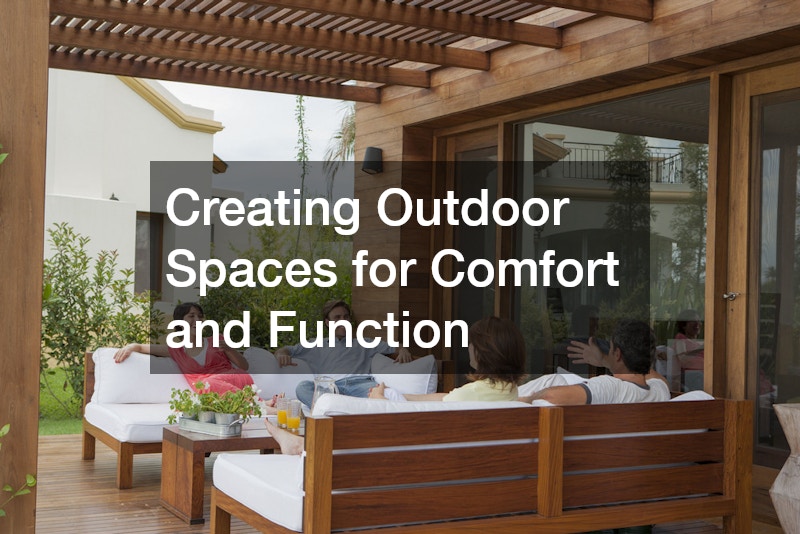
Designing a yard isn’t just about plants or surfaces—it’s also about how people will use the space. Outdoor living areas can provide a natural extension of your home, creating environments for relaxation, entertaining, and family activities. Climate plays a big role in deciding where and how to position seating, patios, fire pits, or other gathering areas. A space that feels comfortable during hot summer afternoons or cool evenings will see far more use than one that becomes unpleasant in extreme temperatures.
Consider shade, airflow, and sun exposure carefully. Trees, pergolas, and trellises can provide relief from harsh sun or wind, while allowing light to filter in as needed. The layout should anticipate the movement of people through the space and accommodate seasonal changes in temperature or rainfall. Materials should be chosen to remain functional under local climate conditions without cracking, fading, or becoming slippery when wet. Working with experienced landscape designers ensures that every element of your yard—from plant selection to hardscape placement—aligns with your local climate for long-lasting results.
Outdoor living space enhancements can elevate your yard dramatically. These additions aren’t purely aesthetic—they improve daily life, whether by extending dining areas, creating cozy corners, or integrating features like fire pits or outdoor kitchens. A well-planned outdoor living space increases property value and creates a more inviting environment, while also complementing climate-conscious design decisions like shade placement and drainage planning.
Fencing and Yard Boundaries That Last
Fencing is both functional and decorative, and when designed with climate in mind, it can protect plants, structures, and property boundaries while lasting longer with minimal maintenance. Exposure to wind, sun, rain, or snow can accelerate deterioration in improperly chosen materials. Understanding local conditions informs choices about material type, finish, and installation techniques.
Wood fencing remains a popular choice for its natural appearance, versatility, and ability to complement nearly any landscape style. When properly treated and installed, wood fencing can withstand harsh sun or damp conditions while providing privacy and defining spaces. Regular maintenance, such as staining or sealing, ensures that it resists weather-related wear over time.
The placement of fences can also impact microclimates within your yard. Strategically located fencing can block prevailing winds, protect delicate plants, and provide privacy without limiting airflow. It’s important to consider how fences interact with drainage and plantings, ensuring that water doesn’t pool at the base or encourage rot.
Caring for Trees and Vegetation
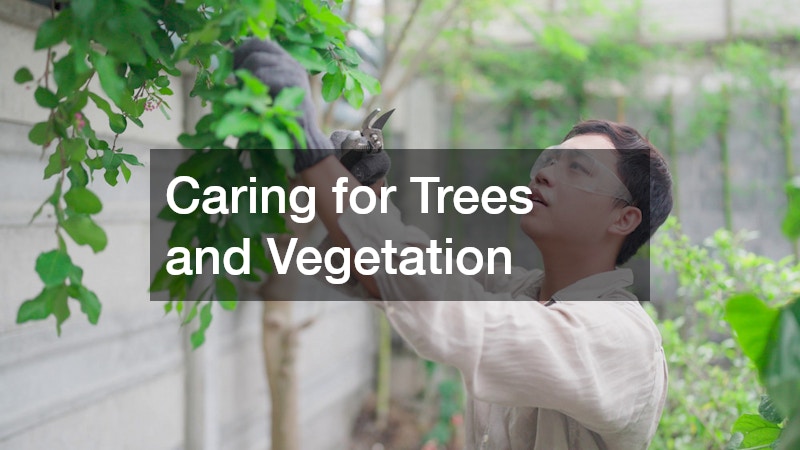
Trees are vital components of any landscape, offering shade, beauty, and environmental benefits. Their health is closely tied to climate and soil conditions, and proper care is essential to maximize their lifespan and contribution to the yard. Understanding species selection, pruning schedules, and water requirements ensures that trees remain resilient under local weather patterns.
Regular tree care service is essential for both aesthetics and safety. Professionals can assess the condition of trunks, branches, and roots to prevent disease, structural weakness, or hazards during storms. Trees that are appropriately cared for are more likely to thrive in droughts, heavy rain, or extreme temperatures.
Local stump grinding is an important service for maintaining safety and usability after removing trees. Leftover stumps can become tripping hazards, attract pests, and impede future planting or construction projects. Proper stump removal by an expert local stump grinding company also allows soil to be reconditioned for new plantings, ensuring that the area contributes positively to the overall landscape design.
Managing Water and Drainage Systems
Water is one of the most significant factors in climate-adapted yard design. Proper drainage prevents flooding, protects structures, and supports plant health. Planning how water flows through your yard ensures that it moves efficiently during both heavy rains and dry periods.
A deck drain system is a practical solution to prevent water from pooling around elevated structures. These systems direct runoff away from decks, patios, and foundations, reducing erosion and minimizing damage from excess moisture. Incorporating drainage into the design protects both outdoor structures and surrounding landscaping.
Integrating proper drainage requires attention to slope, soil type, and rainfall patterns. Grading adjustments, channels, and thoughtful placement of hardscape elements all contribute to a system that handles water effectively while maintaining the yard’s aesthetic appeal. A well-designed drainage system reduces maintenance needs and ensures that climate-related challenges don’t undermine your investment.
Enhancing Safety and Aesthetics with Lighting
Lighting serves both functional and decorative purposes in any outdoor space. Beyond illuminating pathways, it enhances security, extends usable hours, and highlights key design features. When considering lighting, it’s essential to choose fixtures and layouts that withstand local weather and contribute to the overall atmosphere.
A landscape lighting contractor can design and install systems tailored to your yard’s needs. They account for wiring, fixture placement, brightness, and durability to ensure consistent performance across seasons. Professional installation often includes safety measures like GFCI outlets, low-voltage options, and corrosion-resistant materials.
Lighting can also improve energy efficiency and maintenance convenience. Using LED or solar-powered fixtures minimizes energy use, while proper placement reduces shadows and enhances visibility. Thoughtfully designed lighting transforms a yard from a daytime-only space to a versatile environment that is both inviting and safe.
Designing a yard that works with your climate is about more than aesthetics—it’s about creating a space that functions well, lasts longer, and requires less ongoing maintenance. By considering local weather patterns, seasonal changes, and soil conditions from the start, homeowners can make smarter decisions about plants, surfaces, and structural elements.