

A vibrant, healthy lawn doesn’t happen by chance. It requires a thoughtful, consistent routine tailored to your grass type, local climate, and soil conditions. Homeowners often overlook the value of structured lawn care, assuming that occasional mowing or watering is enough. In reality, a well-planned routine addresses every aspect of lawn health, from soil quality to plant nutrition and water management. By understanding the steps involved and dedicating time to maintenance, you can achieve a yard that is not only greener but also more resilient to pests, disease, and weather fluctuations.
Building a routine begins with observation and planning. Take note of areas that are thin, uneven, or shaded differently throughout the day. Consider what issues arise during each season, whether it’s dry summer patches or winter stress. Once you understand your lawn’s needs, you can design a routine that balances regular upkeep with seasonal adjustments. Consistency is key: even minor tasks, when performed regularly, compound over time to create a lawn that thrives year-round.
In the following sections, we’ll break down the essential elements of a lawn care routine, including mowing, fertilizing, irrigation, and seasonal considerations. We’ll also explore when to involve professionals and how services such as tree trimming are key to a greener, healthier yard.
1. Establishing a Consistent Mowing Schedule
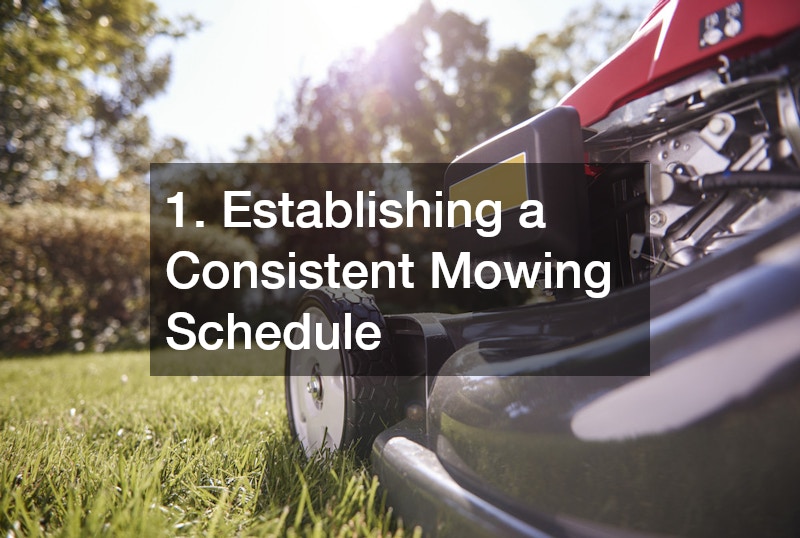
Regular mowing is the foundation of any lawn care routine. Grass needs consistent cutting to encourage strong root development and even growth. Cutting too much at once can stress the plants, while irregular mowing can leave your lawn looking patchy or uneven. Most lawns benefit from a schedule that keeps the grass at the optimal height for its species, which varies depending on whether you have fescue, Bermuda, bluegrass, or another type.
Incorporating lawn maintenance into your weekly or biweekly schedule ensures that your yard receives this essential care. Proper mowing also involves sharpening mower blades and ensuring equipment is clean to avoid spreading disease. By sticking to a consistent plan, you maintain the health and appearance of your grass while preventing overgrowth and thatch buildup.
Additionally, monitoring how your lawn responds to mowing can reveal underlying issues. Areas that appear stressed or thin may indicate soil compaction, nutrient deficiency, or drainage problems. Observing your lawn during each mow helps you adjust your routine and incorporate other services as needed, such as aeration or irrigation improvements.
2. Soil Testing and Fertilization
Healthy grass begins with nutrient-rich soil. Conducting regular soil tests can identify deficiencies and help you select the right products to feed your lawn. Over-fertilizing can be as harmful as under-fertilizing, so precise application is critical. Soil testing typically involves assessing pH levels, nitrogen, phosphorus, and potassium content to create a customized feeding plan.
Hiring fertilizing companies can simplify this process, especially if your lawn has large areas or unique soil challenges. Professionals can recommend products that suit your specific grass type and seasonal needs, ensuring your lawn receives balanced nutrients throughout the year.
Applying fertilizer strategically, such as during active growing periods, promotes deep roots and lush growth. A routine that includes fertilization alongside mowing, aeration, and watering creates a holistic approach that allows grass to thrive. Consistency in soil care also reduces susceptibility to pests, disease, and drought stress.
3. Efficient Irrigation Practices
Watering your lawn correctly is just as important as fertilization. Overwatering can lead to shallow roots, fungal growth, and water waste, while underwatering stresses the grass and slows growth. Establishing an irrigation schedule based on seasonal requirements ensures your lawn receives adequate hydration without excess.
Professional irrigation services can help design a system that delivers water evenly and efficiently. From sprinklers to drip systems, proper installation and maintenance prevent runoff and conserve water. Automated systems allow homeowners to stick to a routine with minimal manual effort.
Observing your lawn’s response to irrigation is critical. Areas that dry out faster or show uneven growth may indicate problems with soil composition, slope, or drainage. Adjusting your watering schedule and incorporating supplemental care where needed helps maintain a uniformly green yard year-round.
4. Aeration and Soil Compaction Solutions
Over time, soil can become compacted, preventing water, air, and nutrients from reaching grass roots. Aeration is a simple yet effective method to relieve compaction and encourage deep root growth. Regular aeration improves drainage, reduces surface runoff, and helps fertilizers penetrate more effectively.
Incorporating aeration into your lawn care routine ensures that other steps, like fertilization and irrigation, deliver maximum benefit. Lawns in high-traffic areas or heavy clay soils benefit most from scheduled aeration.
If aeration reveals persistent drainage or leveling issues, engaging drainage companies can address underlying problems. Proper grading, trenching, or installation of drainage systems ensures water moves efficiently and prevents pooling, which can damage your lawn. Combined with routine aeration, these measures foster healthier, greener grass.
5. Seasonal Tree and Shrub Care

Trees and shrubs influence lawn health by affecting sunlight, airflow, and soil moisture. Overgrown branches can shade grass excessively, while roots may compete for nutrients and water. Incorporating seasonal tree and shrub care into your routine helps maintain balance in your yard.
Hiring arborists and tree trimming services ensures that pruning, shaping, and removal of dead or excess branches is done safely and effectively. Healthy trees improve air circulation, prevent disease, and reduce the risk of damage during storms, indirectly benefiting your lawn.
Regular inspections and tree trimming services allow you to plan for other lawn care tasks without interference from overhanging foliage. This proactive approach creates a lawn care routine that integrates tree management alongside mowing, fertilization, and irrigation for optimal results.
6. Stump Removal and Yard Preparation
Old tree stumps and large roots can disrupt mowing, reduce usable space, and create uneven surfaces. Removing these obstacles allows for more efficient care and enhances lawn aesthetics. Stump removal also prevents pests like termites and beetles that are attracted to decaying wood.
Professional stump removal services provide safe and thorough solutions, whether grinding, extracting, or treating the area for replanting. Once stumps are removed, you can fill the area with topsoil and seed, seamlessly integrating it into your ongoing lawn maintenance schedule.
Including stump removal as part of your annual routine ensures that your yard remains safe, accessible, and conducive to healthy grass growth. This step complements other lawn care activities, making mowing, fertilization, and irrigation more effective.
7. Installing Landscape Features for Longevity
Adding structural elements like walkways, borders, and garden beds can improve both functionality and appearance. Well-planned features help define spaces, protect turf from foot traffic, and guide water flow across your property. Proper installation ensures these features complement rather than disrupt your lawn care routine.
Services such as concrete edging installation can create durable, low-maintenance boundaries. These installations prevent soil erosion, reduce encroachment of garden beds into grass areas, and make mowing more efficient.
Properly managing water flow is crucial for a healthy lawn, especially in areas prone to heavy rainfall or uneven terrain. Without effective solutions, low spots can collect water, causing soil erosion, grass stress, and even damage to garden beds. Identifying these problem areas early allows you to implement measures that protect your lawn and support long-term growth.
Working strategically with retaining wall contractors enhances drainage and prevents pooling in low spots. Integrating these features into your lawn care plan means your yard not only looks better but also performs better under regular maintenance routines. Retaining walls stabilize slopes, guide water flow, and create level planting areas, allowing mowing, fertilization, and irrigation to be more efficient and effective. Over time, these structural additions contribute to a stronger, healthier, and more resilient lawn that thrives throughout the seasons.
8. Weed and Pest Management
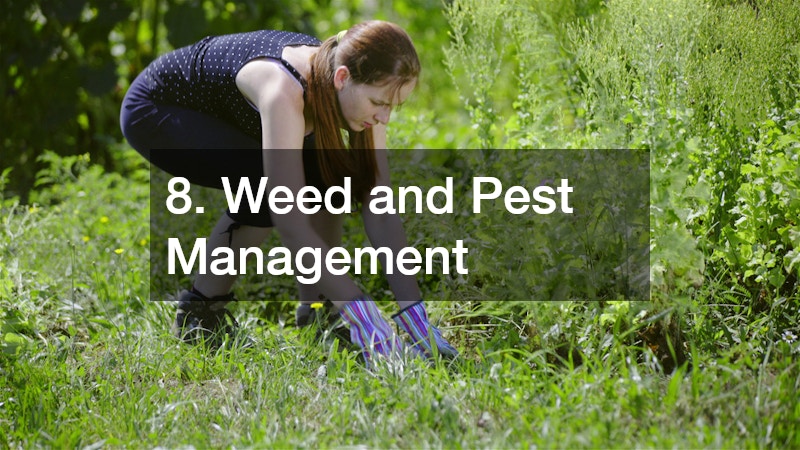
Weeds and pests compete with grass for nutrients, sunlight, and water. A proactive approach to managing them is critical for maintaining a lush, green lawn. Early identification allows for targeted treatment before infestations become widespread.
Incorporating pest and weed management into your lawn maintenance routine keeps problems from undermining other care efforts. Herbicides, natural treatments, and proper mowing techniques all contribute to controlling unwanted growth.
If infestations persist or cover large areas, consulting local landscaping contractors can provide customized solutions. Professionals can identify species-specific threats and recommend safe, effective treatments that align with your existing routine.
9. Seasonal Fertilizer and Soil Care Adjustments
As the seasons change, your lawn’s nutritional needs shift in response to variations in temperature, sunlight, and rainfall. In spring, grass emerges from dormancy and requires nutrients that promote strong root development and early growth. Summer brings heat stress, which can deplete moisture and essential minerals, making regular feeding crucial to maintaining vigor. Fall is a time to repair summer damage and prepare for winter dormancy, often requiring slow-release fertilizers to support root health. Even in winter, dormant grass benefits from soil enrichment and nutrient management to ensure it recovers quickly when growth resumes.
Partnering with fertilizing companies offers the advantage of precise, professional application that aligns with your lawn’s seasonal requirements. Experts can recommend the ideal nutrient mix and timing for each period, taking into account grass type, soil composition, and local climate. When combined with other core practices such as aeration, proper irrigation, and consistent mowing, this creates a coordinated approach to overall lawn health.
Incorporating routine seasonal checks into your lawn care plan also helps prevent deficiencies before they become visible problems. Early detection of nutrient gaps allows for corrective measures that keep grass strong and green even under extreme weather conditions. A proactive approach, guided by seasonal planning and professional insight, reduces stress on the lawn and improves its ability to withstand heat, drought, and cold.
10. Optimizing Water Flow and Drainage
11. Evaluating and Adjusting Your Routine
A successful lawn care routine isn’t something you set once and forget; it requires ongoing observation, assessment, and refinement. Lawns are living systems that respond to changing weather, soil conditions, and seasonal growth cycles. By regularly checking your grass for signs of stress, discoloration, uneven growth, or pest activity, you gain valuable insight into what is working and what may need adjustment. Small issues often show up as subtle changes in texture, color, or thickness before they become larger problems, so staying attentive allows you to act proactively rather than reactively.
Partnering with local landscaping contractors can elevate your evaluation process by adding professional expertise and an outside perspective. Experienced contractors can identify issues that are easily overlooked by the untrained eye, such as subtle drainage problems, compacted soil, or early signs of disease. They can recommend supplemental services like aeration, concrete edging installation, or targeted tree care that integrate seamlessly into your existing routine.
Regular evaluation also ensures that your routine evolves in response to your lawn’s changing needs throughout the year. Seasonal variations, extreme weather events, and shifts in soil or sunlight exposure can all affect grass growth, requiring adjustments to mowing, irrigation, and fertilization practices. By staying proactive and responsive, you prevent minor problems from escalating and maintain optimal conditions for your lawn to flourish.
Creating a lawn care routine that makes your yard greener involves more than just occasional mowing or watering. It requires careful planning, consistent execution, and integration of professional services when necessary. From soil testing and fertilization to irrigation, tree care, and drainage solutions, every step contributes to a healthier, more resilient lawn.
By following a structured routine, paying attention to seasonal changes, and engaging specialists like arborists, fertilizing companies, and drainage experts, homeowners can maintain a yard that thrives year-round. The result is a lush, green lawn that is visually stunning, sustainable, and easier to care for over time.