

Building the Foundation for a Healthy, Lasting Lawn
Creating a healthy lawn doesn’t happen overnight. It takes planning, patience, and consistent care to turn a patchy or bare yard into a lush, green space. Many homeowners make the mistake of rushing into planting grass without first understanding the conditions that affect long-term growth. This often leads to uneven coverage, weak root systems, and ongoing frustration when the lawn doesn’t perform as expected.
A successful lawn begins with a clear understanding of the environment. Soil quality, sunlight exposure, drainage, and local climate all influence how well grass will grow. For example, a yard with heavy clay soil may retain too much moisture, while sandy soil may drain too quickly. Recognizing these conditions early allows homeowners to make the right adjustments before planting begins.
It’s also important to consider how the space will be used. Lawns that experience frequent foot traffic, pets, or outdoor activities require more durable grass varieties and stronger maintenance routines. On the other hand, decorative lawns may prioritize appearance over heavy use.
Taking time to plan helps prevent costly mistakes and sets realistic expectations. A well-thought-out approach ensures that each step—from soil preparation to ongoing maintenance—contributes to a healthier, longer-lasting lawn.
Prepare Your Soil for Strong and Consistent Growth
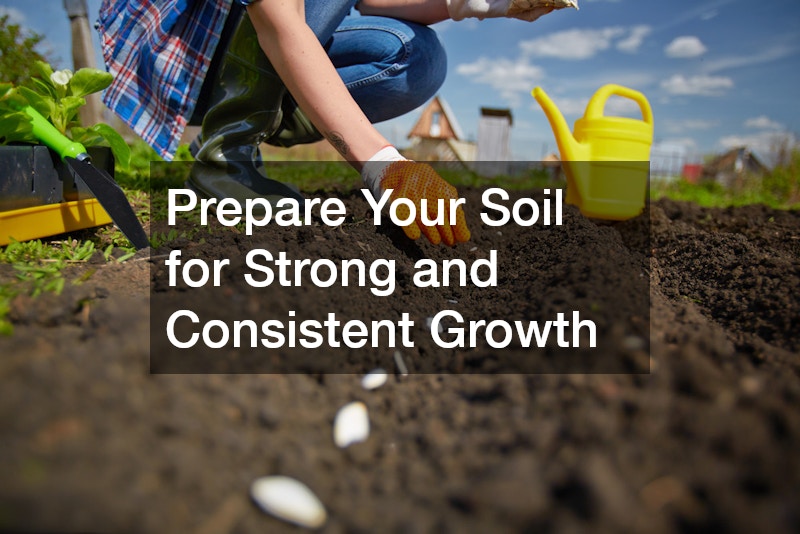
The condition of the soil plays a critical role in determining the success of any lawn. Healthy grass depends on a strong foundation, and that foundation starts underground. Without proper preparation, even the best grass varieties will struggle to grow and maintain their appearance.
Testing the soil is the first step. This helps determine pH levels and nutrient deficiencies, allowing homeowners to understand what adjustments are needed. Grass typically thrives in slightly acidic soil, and correcting imbalances can significantly improve growth.
If the soil is compacted, roots will have difficulty spreading. Aerating the soil helps loosen it and allows air, water, and nutrients to reach deeper levels. In some cases, adding fresh material through topsoil delivery is necessary to improve overall quality. This is especially helpful for lawns that have been neglected or built on poor soil.
Leveling the surface is another important step that is often overlooked. Uneven areas can lead to drainage problems, causing water to collect in low spots. Over time, this can weaken grass and create muddy patches.
Investing time in proper soil preparation creates a strong base that supports healthy growth. It reduces the need for frequent repairs and allows the lawn to establish itself more effectively.
Select the Right Grass for Your Yard Conditions
Choosing the right grass type is essential for creating a lawn that thrives in its environment. Not all grass varieties perform well under the same conditions, so selecting one that matches your region and yard layout is key.
Climate plays a major role in this decision. Cool-season grasses grow best in regions with colder winters, while warm-season varieties are better suited for areas with hot summers. Understanding this distinction helps homeowners avoid choosing grass that struggles to survive local weather patterns.
Sunlight is another factor to consider. Some grasses require full sun to grow properly, while others are more tolerant of shade. Evaluating how much sunlight different areas of the yard receive throughout the day can help guide the selection process.
Homeowners often compare seed and sod for sale when deciding how to establish their lawn. Sod offers instant results and faster establishment, while seed is more affordable but requires more time and care. Each option has its advantages depending on the desired timeline and budget.
Selecting the right grass type from the start makes maintenance easier and improves long-term results. It ensures the lawn can adapt to its environment and remain healthy with proper care.
Install Your Lawn Properly from the Start
Proper installation is one of the most important steps in building a healthy lawn. Even with high-quality materials, poor installation can lead to uneven growth and long-term issues.
When using sod installation, timing is critical. Installing sod during moderate weather allows roots to establish before extreme temperatures set in. Laying sod in tight, staggered rows helps eliminate gaps and creates a seamless appearance.
Watering immediately after installation is essential. The soil should remain consistently moist during the first few weeks to encourage root growth. However, overwatering should be avoided, as it can lead to shallow roots and poor stability.
Minimizing foot traffic during this period is also important. Walking on newly installed sod can disrupt the roots before they have a chance to take hold. Allowing the lawn time to settle ensures stronger growth and a more durable surface.
A careful installation process sets the stage for long-term success. It reduces the need for corrections and helps the lawn establish itself quickly and evenly.
Water Effectively to Encourage Deep Root Growth
Watering is a key factor in maintaining a healthy lawn, but it must be done correctly to be effective. Many homeowners either water too frequently or not enough, both of which can harm grass growth.
Deep, infrequent watering encourages roots to grow deeper into the soil, making the lawn more resilient during dry periods. Shallow watering, on the other hand, leads to weak roots that struggle to survive stress.
Installing a residential garden irrigation system can help maintain consistency. These systems ensure even coverage and allow for adjustments based on seasonal changes. This reduces the risk of overwatering certain areas while neglecting others.
Monitoring the lawn’s condition is important. Signs such as dry patches or pooling water indicate that adjustments are needed. Watering early in the morning helps reduce evaporation and allows moisture to penetrate the soil effectively.
Proper watering habits support steady growth and help maintain a strong, healthy lawn throughout the year.
Feed Your Lawn to Maintain Health and Color

Grass requires a steady supply of nutrients to remain healthy and vibrant. Over time, soil naturally loses these nutrients, making fertilization an essential part of lawn care.
A balanced lawn treatment plan provides the nutrients needed for growth, including nitrogen, phosphorus, and potassium. Each nutrient plays a specific role, from promoting green color to strengthening roots.
Working with a lawn fertilizing company can simplify this process. Professionals can create a customized schedule based on soil conditions and seasonal needs. This ensures the lawn receives the right nutrients at the right time.
It’s important to avoid over-fertilizing, as this can damage grass and lead to excessive growth that requires more maintenance. Following recommended guidelines helps maintain balance and prevents unnecessary stress on the lawn.
Regular feeding supports a dense, healthy lawn that can resist weeds and environmental challenges more effectively.
Mow Correctly to Support Long-Term Growth
Mowing is one of the most frequent lawn care tasks, but it’s often done incorrectly. Proper mowing techniques are essential for maintaining healthy grass and preventing damage.
Using the right lawn mowers ensures clean cuts and even results. Sharp blades are especially important, as dull blades can tear grass and create jagged edges that are more prone to disease.
Cutting grass at the correct height helps maintain strong roots. Removing too much at once can weaken the lawn and make it more vulnerable to stress. A general rule is to never cut more than one-third of the grass height at a time.
Mowing patterns should also be varied to prevent soil compaction and uneven wear. Changing directions each time you mow helps keep the lawn balanced and prevents ruts from forming.
Consistent mowing practices contribute to a thicker, healthier lawn that is better able to withstand daily use.
Prevent Weeds and Protect Your Lawn Early

Weeds can quickly take over a lawn if they are not managed properly. They compete with grass for nutrients, water, and sunlight, making it harder for healthy growth to occur.
A proactive lawn treatment approach helps prevent weeds before they become a problem. Applying preventative treatments and maintaining a dense lawn reduces the chances of weeds taking hold.
Manual removal is effective for smaller infestations, especially when done early. Removing weeds before they spread helps protect the surrounding grass.
Maintaining proper mowing, watering, and fertilization practices also supports weed prevention. A strong lawn naturally crowds out unwanted growth, making it easier to maintain a clean, healthy appearance.
Improve Functionality with Smart Yard Design
Thoughtful design can enhance both the appearance and functionality of a lawn. A well-planned layout helps reduce wear, improve usability, and support long-term health by preventing common issues before they start. Instead of treating the lawn as a single open space, dividing it into purposeful areas can make maintenance easier and more efficient.
Incorporating local landscape designs allows homeowners to create defined spaces for walkways, seating areas, and planting beds. These features not only improve visual appeal but also serve a practical purpose by guiding foot traffic. When people consistently walk across the same areas, grass can wear down quickly. Adding pathways or stepping stones helps protect those high-traffic zones and keeps the lawn looking more even and healthy.
Designing with drainage in mind is also important. Poor water flow can lead to soggy areas, erosion, and weakened grass roots. Proper grading, along with strategic placement of features like borders or garden beds, helps direct water away from the lawn. This prevents pooling and allows the soil to maintain the right balance of moisture.
Balancing aesthetics with practicality creates a space that is both attractive and easy to maintain. Choosing the right layout, materials, and features ensures that the lawn remains functional while still looking polished. A well-designed yard supports the overall health of the lawn while making outdoor spaces more enjoyable and easier to manage.
Use the Right Materials for Lasting Results
Choosing high-quality landscape supplies is essential for building a durable and attractive lawn. The materials used in landscaping can have a direct impact on how well the lawn performs over time.
Mulch, edging, and soil amendments all play important roles in maintaining structure and supporting plant health. Using reliable materials ensures better results and reduces the need for frequent replacements.
Proper installation and application are just as important as the materials themselves. Following best practices helps maximize their effectiveness and ensures long-term success.
Investing in quality materials creates a strong foundation that supports a healthy, long-lasting lawn.
Know When to Bring in Professional Help
There are times when professional assistance is the best option for maintaining a lawn. Recognizing these situations can save time and prevent costly mistakes.
A yard care service can provide expertise in areas such as soil improvement, pest control, and seasonal maintenance. Their experience allows them to identify issues quickly and recommend effective solutions.
Hiring professionals is especially helpful for larger projects or when dealing with persistent problems. Their knowledge ensures the job is done correctly and efficiently.
Working with experts helps homeowners maintain a healthy lawn without unnecessary stress or trial and error.
Maintain Your Lawn Throughout the Year

Maintaining a lawn requires consistent care throughout the year. Seasonal changes affect how grass grows, making it important to adjust maintenance routines accordingly. Temperature, rainfall, and sunlight all shift throughout the year, and each of these factors influences how the lawn responds. Paying attention to these changes allows homeowners to make small adjustments that lead to better long-term results.
Working with a lawn fertilizing company ensures nutrients are applied at the right times, while a residential garden irrigation system supports consistent watering. Together, these tools help maintain steady growth. Professional guidance can be especially helpful when determining the right balance of nutrients and water, since over-application or under-application can both cause problems. Automated irrigation systems also remove much of the guesswork by delivering water evenly and on a reliable schedule.
Each season brings different priorities. Spring focuses on preparing the lawn for new growth, including cleaning up debris and encouraging healthy roots. Summer requires careful monitoring of moisture levels and mowing practices to prevent stress. Fall is an ideal time to strengthen the lawn by supporting root development, while winter preparation helps protect grass during colder months and reduces the risk of damage.
Staying consistent with these tasks helps keep the lawn healthy and resilient. Regular attention prevents small issues from turning into larger problems and supports steady, long-term growth.
Enjoy a Lawn That Thrives Over Time
A healthy lawn is the result of consistent effort and attention to detail. By following the right steps and maintaining a regular care routine, homeowners can create a space that remains vibrant and durable for years.
With patience and the right approach, it’s possible to build a lawn that not only looks great but also stands up to everyday use and changing conditions.