

A residential backyard is far more than an outdoor buffer between property boundaries. For many homeowners, the open expanse behind the home serves as a private sanctuary, a space for children and pets to play, and a lively gathering place for summer barbecues and family milestones. Yet, over years of seasonal weather, heavy foot traffic, and changing family needs, once-vibrant outdoor spaces often decline into patchy, weed-choked dirt, uneven terrain, and cluttered corners. What should be an inviting retreat becomes an ongoing source of frustration.
Embarking on a comprehensive yard transformation offers an opportunity to rethink how outdoor space functions. Rebuilding a backyard from the subsoil up allows you to correct stubborn drainage flaws, clear out neglected overgrowth, and establish an expanse of soft, resilient grass that stands up to active use. When approached methodically, this process moves beyond routine gardening; it represents a planned investment in your home’s aesthetic beauty, ecological balance, and entertainment value.
Achieving a genuine outdoor retreat requires combining biological care with practical site engineering. A truly welcoming yard balances healthy turf with functional storage, durable hardscaping, and flexible entertaining areas capable of hosting both peaceful Sunday mornings and festive celebrations. This comprehensive guide details every stage of the transformation. From breaking ground and directing groundwater to establishing thick grass, framing functional storage, and hosting large gatherings, these practical steps will help you craft an enduring backyard retreat.
Resetting the Terrain and Clearing Overgrowth
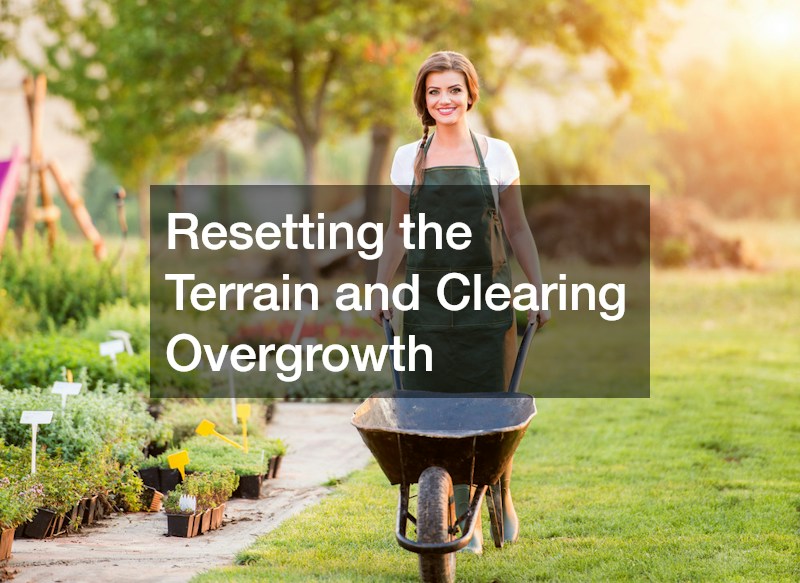
Before you can create a refined outdoor retreat, you must address the accumulated clutter, dying flora, and uneven ground left behind by years of neglect. Attempting to grade or seed around decaying stumps, tangled briars, and compacted sod layers will only lead to poor seed germination and sunken spots down the road. A true transformation begins with a clean slate, peeling back compromised ground layers to expose workable subgrade.
Start by surveying the entire site to identify which mature trees and desirable shrubs deserve preservation and which elements should be cleared away. Dense stands of invasive brush, diseased saplings, and surface-piercing roots rob moisture and sunlight from the understory, making it nearly impossible for high-quality turfgrass to flourish. For larger properties or severely overgrown residential lots, investing in professional land clearing clears away tangled thickets, wild saplings, and subterranean root clusters quickly. Utilizing specialized equipment like forestry mulchers and tracked loaders grinds down unwanted understory vegetation into organic mulch while sparing valuable mature shade trees.
Once heavy vegetation is removed, the sheer volume of organic debris, cracked concrete pavers, rotten landscape timber, and rocks can quickly become overwhelming. Piling these materials at the curb is often prohibited by municipal regulations and quickly exhausts standard waste pickup limits. Partnering with a reputable roll off rental company provides an efficient on-site solution. Staging a heavy-duty container in the driveway or equipment staging area allows you to discard sod scraps, old masonry, and dense root balls directly, keeping work corridors open and reducing safety hazards during major earthmoving work.
Building Drainage Defenses and Subterranean Moisture Control
Water is both the lifeblood of a thriving yard and its greatest potential threat. Improperly managed surface runoff and subsurface saturation drown tender grass roots, foster fungal lawn blights, erode newly graded banks, and even compromise the structural foundations of adjacent structures. Before investing in seed or decorative elements, you must engineer a reliable drainage network that safely directs storm runoff away from living areas and foundation walls.
Begin by evaluating your property’s topography during a heavy rain event or by checking elevations with a laser level. Water must consistently flow away from homes, detached garages, and outdoor living areas at a minimum drop of one inch for every ten feet. To handle water volume across expansive lots, cut gentle, shallow swales along property edges. Line low-lying collection swales with non-woven geotextile fabric, perforated corrugated or PVC piping, and wa shed drainage gravel before burying them under turf or decorative stone riverbeds. These subsurface French drains quietly intercept sheet runoff, directing storm surges to municipal catch basins, dry wells, or dedicated rain gardens.
At the same time, pay close attention to retaining walls, sunken walk-out basements, and below-grade patio footings that sit alongside the lawn. Prolonged hydrostatic ground pressure from saturated turf can push moisture directly through porous masonry, causing efflorescence, structural cracking, and basement moisture issues. Consulting an experienced waterproofer ensures that below-grade masonry walls receive high-performance elastomeric coatings, dimpled drainage boards, and waterproof perimeter footers. Sealing these subterranean surfaces creates an impenetrable moisture barrier, keeping adjacent structural foundations dry no matter how heavily the surrounding turf is watered.
While managing underground moisture is critical, creating an inviting outdoor sanctuary also means planning for year-round physical comfort across the landscape. Modern yards extend past daytime summer use into chilly spring and autumn evenings. Incorporating dedicated gas lines or isolated storage tanks through a scheduled propane delivery keeps built-in fire bowls, patio flame lanterns, outdoor kitchen stoves, and swimming pool heaters operating reliably. Having dependable fuel on hand lets you heat outdoor living areas at a moment’s notice, making your backyard enjoyable long after warm summer days have passed.
Partnering for Grading and Rapid Turf Revitalization

With site clearance complete and drainage channels buried, focus shifts to preparing the soil bed and establishing healthy, resilient grass. Achieving that soft, carpet-like finish is impossible on compacted subsoil depleted of organic nutrition. Grass roots require porous, oxygen-rich loam that allows them to push six to eight inches deep, anchoring plants firmly and helping them access subterranean moisture during hot dry spells.
Start by testing your soil chemistry. Collect core samples from several locations around the yard, mix them in a clean container, and submit them to an agricultural testing lab. The analysis will outline soil texture, organic matter percentages, and pH balance. Most premium turf species thrive in slightly acidic to neutral soils between 6.2 and 6.8. If your soil tests excessively acidic, apply crushed agricultural limestone; if it leans alkaline, amend with elemental sulfur. For rocky, clay-heavy, or sandy native ground, spread a rich two- to three-inch layer of screened topsoil and aged compost across the site, blending it into the upper four inches of native dirt with a rototiller to create a welcoming seedbed.
Executing precision final grading requires specialized machinery and experienced hands. Working alongside a skilled local landscaper ensures that finish grades are laser-leveled, subtle slope undulations are smoothed out, and soil amendments are balanced for your regional microclimate. Terrain specialists possess the heavy machinery, box blades, and soil conditioners needed to eliminate washboard ruts and high ridges, leaving behind a fine, uniform soil bed ready to receive seed.
When covering broad expanses of newly leveled soil, especially on rolling acreage or sloped yards, traditional hand-broadcasting often leaves bare gaps and washes away in sudden rainstorms. Applying seed through commercial hydroseeding provides a faster, more dependable solution for full turf revivals. By spraying a pressurized slurry of selected grass seed, wood-fiber mulch, starter fertilizers, bio-stimulants, and organic tackifiers directly across the soil, this method creates a protective blanket that shields seeds from wind, birds, and heavy rain. The moisture-retaining mulch accelerates germination, helping green shoots emerge uniformly across the entire property within seven to ten days.
Anchoring Storage and Framing Functional Outbuildings
A well-planned outdoor retreat balances natural lawn expanses with organized utility zones. As your newly established grass thrives, keeping it looking its best requires ongoing care using equipment like mowers, string trimmers, spreaders, aerators, and hoses. Storing this gear haphazardly on open patios, along exterior walls, or directly on the grass ruins your landscape’s visual appeal, kills underlying turf, and exposes expensive maintenance machinery to rust and sun damage.
Integrating a purposeful utility zone keeps maintenance tools organized, protected, and out of sight. Constructing a well-built shed provides a centralized headquarters for all your property care equipment, seasonal furnishings, and recreation supplies. Situating this structure on a compacted, level crushed-stone pad framed with treated timbers ensures stable drainage underneath the floor joists, preventing ground rot and discouraging burrowing pests. Choose exterior finishes that match your home’s architectural style, such as horizontal lap siding, architectural shingles, and trimmed corner boards, turning a basic utility building into an attractive garden feature.
Positioning outbuildings requires thoughtful planning to protect your lawn’s health and prevent soil compaction around entry points. Place utility buildings in accessible perimeter corners where foot traffic can travel along dedicated walkways rather than worn paths through the lawn. Installing permeable flagstone pavers, decomposed granite paths, or dry-stacked stepping stones between your main patio and the outbuilding keeps maintenance routines easy without wearing bare dirt tracks into your grass.
Designing Celebration-Ready Backyard Gatherings

Once the grading is settled, the turf is thick and green, and utility equipment is stored away, your backyard becomes a versatile venue for life’s special occasions. Transforming your private space to host milestone birthdays, summer weddings, family reunions, and neighborhood celebrations lets you share your outdoor retreat with friends and family. However, managing dozens of visitors across a residential landscape requires thoughtful logistical planning to ensure guest comfort while protecting your new turf.
The secret to hosting large gatherings at home is designing an open, intuitive flow similar to a dedicated event venue. Map out distinct zones across the lawn to avoid awkward crowding:
- Create a central reception area on the primary lawn expanse, arranging dining tables and cocktail high-tops to encourage natural conversation.
- Position food service lines and bars near durable patio areas where spilled drinks or accidental food drops can be quickly wiped up without staining grass.
Managing guest logistics is another critical consideration, particularly for residential plumbing systems. Directing dozens of guests indoors to use a single residential bathroom strains domestic septic tanks and leads to messy, high-traffic bottlenecks in indoor hallways. Arranging clean, modern porta potty rentals solves this issue efficiently. Contemporary luxury restroom trailers feature flushing porcelain toilets, running hot water, vanity mirrors, ambient interior lighting, and climate control, offering all the comforts of a high-end indoor facility. Tucking these mobile facilities onto a flat driveway, service alley, or discreet side yard keeps your home secure, protects your septic system, and gives guests easy access throughout the event.
Maximizing Hardscape Space and Custom Entertainment Platforms

When hosting large celebrations, open-air space can occasionally feel tight, particularly on properties where in-ground swimming pools take up a large portion of the usable yard. While sparkling water provides a picturesque backdrop during evening events, an open pool basin limits usable gathering space, divides guest movement, and presents a safety concern when hosting lively crowds late into the night.
Creative engineering offers a practical solution: converting the aquatic surface into a solid, load-bearing gathering space. Installing temporary, custom dance floor pool covers transforms an open pool into an expansive, level event deck. Professional event staging crews install rigid aluminum trusses, heavy-duty marine plywood, or crystal-clear acrylic panels directly over the water basin, anchoring the structure safely to pool coping and surrounding pool decks. This specialized installation instantly creates square footage for dancing, dining tables, or musical entertainment right over the water, expanding party capacity while preserving the open feel of your yard.
Integrating this type of temporary structure requires careful care around adjacent grass edges and pool copings:
- Protect stone coping edges, tile work, and coping joints by placing heavy neoprene padding or rubberized protective runners beneath support beams before assembly.
- Set up clear, flush transition plates between the pool deck, temporary flooring, and lawn edges to eliminate tripping hazards for guests in evening footwear.
Once the celebration ends, careful disassembly protocols protect your landscape investment. Have the staging crew take down all temporary flooring within twenty-four to forty-eight hours of the event so underlying pool water and covered stone do not stay enclosed too long. As temporary platforms, tents, and staging are packed away, inspect the lawn for soil compaction and clear away any stray debris. Thoroughly raking matted grass blades, applying a light application of balanced liquid fertilizer, and running a gentle watering cycle helps your lawn bounce back quickly, returning your property to its role as a peaceful, private retreat.
Transforming a tired yard into an outdoor oasis is a deeply rewarding home improvement project. By working step by step—clearing away legacy brush, balancing soil chemistry, building reliable drainage defenses, and establishing healthy turf—you turn an everyday backyard into a stunning, functional landscape.
Whether you are enjoying a quiet cup of coffee on the back patio as the morning sun hits the lawn or hosting a memorable family wedding under the evening stars, an intentional, well-maintained yard enriches your daily life. Take pride in the work, care for your living investment, and enjoy the ongoing comfort of your private outdoor haven for years to come.