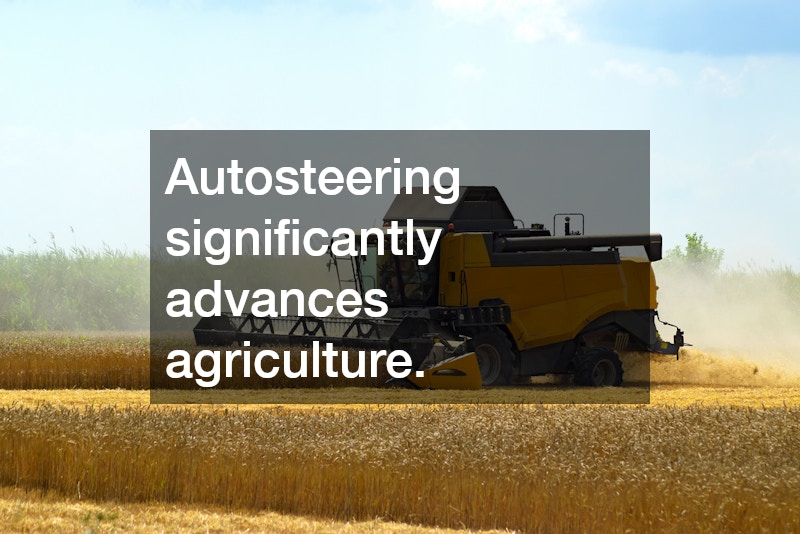

Autosteering technology revolutionizes agriculture with unmatched precision and efficiency. Utilizing GPS and sensor systems, it enhances productivity by guiding farm machinery accurately, meeting rising food demands. Farmers globally integrate autosteering for tractors to improve crop yields. This guide delves into its workings, benefits, and integration in agriculture.
By adopting autosteering technology, farms are able to maximize output while preserving resources, paving the way for a more sustainable agricultural industry.
How Does Autosteering Work?
The Basics of Autosteering Technology
Autosteering systems combine satellite data, sensors, and algorithms to maintain precise tractor paths. GPS receivers coordinate with satellites to minimize deviations and enhance seed placement accuracy. This orchestration between components ensures that cultivation practices are carried out with a level of precision previously unattainable through manual methods.
Understanding GPS and RTK Systems
GPS provides location data, while RTK corrects signals for sub-inch accuracy, essential for precise planting. RTK systems adjust tractor movements, ensuring consistent alignment. This real-time adjustment capability is crucial in reducing crop wastage and improving land utilization efficiency.
Integration with Existing Tractor Systems
Seamlessly integrating with modern tractors, autosteering operates with farm management software, enhancing operation without manual intervention. Retrofits enable older machinery to benefit from advancements. This compatibility ensures a smooth transition to automated systems without significant disruptions to current operations.
Data Collection and Application
Autosteering collects field data for optimizing farming strategies, improving yield efficiency, and resource management through data analysis. This data-driven approach allows farms to make informed decisions that enhance overall agricultural performance and sustainability.
Maintenance and Troubleshooting
Regular maintenance of GPS receivers, sensors, and software is vital. Prompt troubleshooting ensures efficient operation, preventing downtime. Proactive care of autosteering systems translates into long-term operational benefits and reliability.
What Are the Benefits of Using Autosteering?
Increased Efficiency and Productivity
Autosteering enhances efficiency by automating steering for optimal field coverage, minimizing overlaps, and increasing productivity and profitability. The efficiency gains from this technology contribute to an overall reduction in farming costs and an increase in competitive advantage.
Cost Savings and Resource Management
Accurate input application reduces costs and fuel consumption, aligning with sustainability goals, leading to substantial savings. These savings not only impact the bottom line but also facilitate environmentally responsible farming practices.
Enhanced Precision in Farming
Autosteering ensures precision under adverse conditions, optimizing cultivation for uniform growth and quality yield. This precision directly translates into better crop quality and marketability, benefiting producers and consumers alike.
Reduction in Labor Intensity
Autosteering decreases operator fatigue, allowing management of larger areas efficiently, enhancing productivity, and safety. This reduction in labor intensity is beneficial in reallocating human resources to more strategic tasks within agricultural operations.
Improved Safety and Comfort for Operators
Better operator comfort reduces manual input, decreasing human error risks and enhancing overall safety with alerts and automatic stops. These safety improvements are crucial in maintaining a secure working environment, reducing accident rates on farms.
What Factors Should You Consider When Choosing an Autosteering System?
Compatibility with Existing Equipment
Selecting a compatible system minimizes additional costs and maximizes return on investment, ensuring seamless integration. Evaluating compatibility is a key step in the decision-making process, enabling effective and efficient technology adoption.
Level of Accuracy Required
Choosing between RTK for high-precision tasks and cost-effective options for less precision-driven tasks depends on operational needs. Considering accuracy requirements ensures that the investment aligns with specific farm needs and goals.
Budget and Cost Considerations
Evaluating initial costs against long-term savings is crucial; leasing options may facilitate access for smaller farms. The economic evaluation helps in strategizing budget allocations effectively, ensuring financial viability of the autosteering system.
Brand Reputation and Support
Choosing a reputable brand ensures reliable support and comprehensive warranties, enhancing overall satisfaction. Reputation and support are pivotal in ensuring that any technological issues are addressed swiftly, maintaining continuous farm operations.
Future Scalability and Upgradability
Scalable systems support future farm expansions, ensuring longevity and adaptability as operations evolve. Scalability provides the flexibility to grow and expand farm operations without needing frequent overhauls or new investments.
Autosteering significantly advances agriculture, improving efficiency, precision, and sustainability. As the pressure to feed a growing population rises, this technology supports vital agricultural productivity and environmental goals. Key factors like compatibility and scalability should guide its adoption, contributing to a sustainable agricultural future. By understanding these aspects, farmers can effectively implement autosteering systems that will meet both current demands and future challenges in the agricultural sector.