

In today’s world, creating a beautiful and functional outdoor space is more crucial than ever. Whether you’re looking to enhance the aesthetic appeal of your property, increase its value, or simply create a relaxing retreat to escape the hustle and bustle of everyday life, a well-thought-out landscape design can transform your backyard into a cohesive and inviting environment.
A thoughtfully designed landscape not only enhances the visual appeal of your home but also promotes environmental benefits. Incorporating elements such as native plants, water-efficient irrigation systems, and sustainable materials can help reduce your ecological footprint while providing a habitat for local wildlife. Moreover, spending time in a well-designed outdoor space can improve mental well-being, offering a serene escape where you can unwind and connect with nature.
Creating a Cohesive Vision for Your Outdoor Space
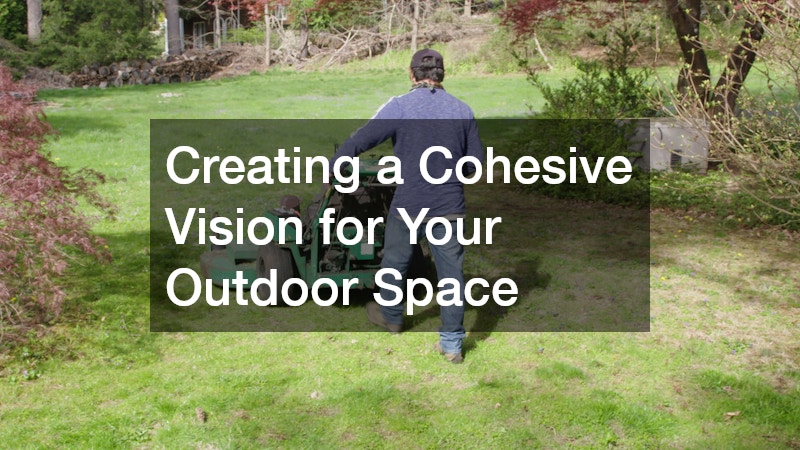
A well-designed backyard doesn’t happen by accident. It starts with a clear plan that connects every element into one unified look and function. Without that direction, outdoor features can feel scattered or mismatched, even if each one is high quality on its own.
A local landscape designer often begins by studying how the property naturally behaves throughout the year. They look at sunlight patterns, drainage flow, soil conditions, and how people naturally move through the space. These details influence everything from where seating areas should go to how plantings and structural elements should be arranged.
Rather than treating the yard as separate zones, the goal is to blend everything into one continuous experience. That might mean aligning garden beds with walkways, positioning outdoor living areas to take advantage of shade, or using elevation changes to create visual interest. When done correctly, the entire yard feels intentional rather than pieced together over time.
A strong design vision also anticipates how the space will age. Trees grow, materials weather, and usage patterns shift as families change. Planning for those future conditions ensures the backyard remains functional and attractive for years instead of needing constant correction.
Preserving Healthy Growth and Natural Beauty
Healthy trees and plants are often what give a yard its character. They provide shade, structure, and a sense of maturity that cannot be replicated by hardscaping alone. However, without consistent attention, even the strongest landscape can become unbalanced or unsafe.
Adding to the charm of outdoor spaces, these natural elements act as the lungs of the garden, purifying the air while serving as a peaceful retreat. Regular maintenance not only preserves this balance but also enhances biodiversity, attracting birds and insects that benefit the overall ecosystem.
Working with a local tree service helps ensure that growth remains controlled and healthy. Regular pruning improves air circulation within the canopy, reduces the risk of falling branches, and allows more light to reach the areas below. This balance is important for both safety and the overall look of the yard.
Engaging professional services also provides peace of mind, knowing that experts are evaluating the health of each tree and advising on the best course of action. This proactive approach prevents potential problems before they manifest, safeguarding the property’s long-term beauty and stability.
Tree health also affects the performance of other design elements. For example, a patio that was originally placed in partial shade may become overly shaded if nearby trees grow unchecked. Managing that growth helps preserve the intended use of each outdoor area while maintaining a comfortable environment.
Furthermore, ensuring proper tree health and placement can enhance energy efficiency by optimizing natural cooling effects, reducing reliance on artificial systems. This thoughtful integration of natural elements promotes sustainable living and complements the aesthetic harmony of exterior spaces.
Removing Obstacles to Open Up More Usable Space
Sometimes a backyard feels smaller than it actually is simply because of overgrowth or poorly positioned trees. In those cases, tree removal becomes a practical solution for reclaiming usable space and improving overall layout flexibility.
Making strategic decisions about which trees to remove or reposition can dramatically change the enjoyment and practicality of outdoor areas. This creates the opportunity for homeowners to reimagine their space, incorporating new features that align with evolving lifestyle needs and preferences.
Removing a problematic or hazardous tree can completely change how the yard functions. It may open sightlines, allow for new construction, or improve safety around structures and walkways. In some cases, homeowners discover that previously unusable corners of their property suddenly become ideal for gardens, seating areas, or play spaces once the obstruction is gone.
This newfound space can be tailored to enhance daily living, offering creative possibilities like themed gardens, outdoor kitchens, or entertainment zones. By transforming underutilized areas, homeowners can fully experience the potential and pleasure of their outdoor environment.
Eliminating Leftover Hazards After Tree Projects
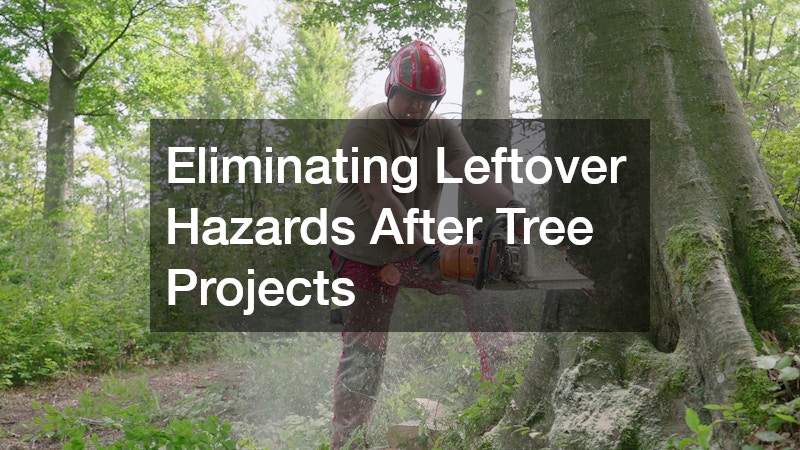
Even after tree removal is complete, leftover stumps can still interfere with design plans. They can create tripping hazards, attract pests, or get in the way of mowing and landscaping equipment.
Addressing stumps effectively is crucial for maintaining aesthetics and functionality. Proper removal ensures that the ground remains smooth and free of obstructions, which not only supports landscaping efforts but also adds value to the property by enhancing curb appeal and usability.
That’s where stump grinding becomes an important finishing step. By grinding the remaining stump below ground level, the area becomes smooth and ready for new use. This allows grass, plants, or hardscape features to be installed without obstruction, restoring full functionality to the space.
Utilizing the additional space that stump removal offers can lead to innovative landscape designs. With an open canvas, homeowners can implement their vision seamlessly, integrating features such as water gardens or fire pits to elevate the outdoor experience.
Preparing Your Property for New Outdoor Features
Before adding new outdoor elements, proper preparation ensures that the design will hold up over time. This often involves clearing away brush, uneven terrain, or leftover vegetation that could interfere with construction.
Preparation also includes assessing the soil condition to ensure it can support new installations. Conducting a soil test can determine if amendments are needed to promote fertility and stability. By addressing these preliminary concerns, homeowners increase the chances of their outdoor projects enduring for the long term.
Tree clearing is commonly used to prepare larger areas for new layouts, especially when homeowners are planning expanded patios, garden zones, or entertainment spaces. Removing excess growth creates a clean slate, making it easier to establish structure and flow throughout the yard.
For those planning extensive landscaping changes, consulting with a landscape architect during the initial planning phase can offer added insights into how best to optimize space usage and layout designs effectively. This collaboration can result in a more harmonious and functional landscape.
Proper clearing also improves drainage and reduces competition for nutrients in the soil, which benefits any new plantings introduced later in the design process.
In addition to improving conditions for plants, effective clearing can deter pests and diseases that thrive in dense, unmanaged growth areas. By minimizing these potential hazards early on, homeowners can focus on cultivating a healthy, thriving garden area.
Maintaining the Long-Term Health of Mature Trees
Mature trees are among the most valuable assets in any yard, but they require ongoing attention to remain stable and attractive. Without care, they can develop structural weaknesses or become overcrowded, which affects both safety and appearance.
Engaging in small group tours led by local arborists can provide homeowners valuable insights into how to manage tree care effectively. These tours often demonstrate pruning techniques and highlight signs of potential tree health issues, providing practical knowledge to conserve these crucial components of the yard.
Many tree care businesses focus on preserving these long-standing landscape features through routine inspections, selective pruning, and preventive treatments. This type of care helps extend the life of mature trees while maintaining their visual and environmental benefits.
By investing in comprehensive tree management services, homeowners not only protect their landscape investment but also contribute positively to local biodiversity, ensuring mature trees continue to provide essential habitats for various species.
Healthy mature trees also enhance property value and provide natural cooling, making them an essential part of any well-balanced outdoor design.
Adding Privacy Without Sacrificing Style

Privacy plays a major role in how comfortable a backyard feels, but it should never come at the expense of design. The best solutions create separation while still allowing light and openness.
Integrating a layered approach using different plant heights and textures can add visual interest and depth, creating a multi-dimensional privacy screen. This method capitalizes on the benefits of both hard and soft landscaping features to achieve privacy without compromising aesthetic appeal.
A vinyl fence is often chosen for this reason because it offers a clean appearance and long-lasting durability with minimal maintenance. It helps define the space without making it feel closed in, which is especially important in smaller yards or suburban settings.
Opting for fences with artistic elements or unique materials can infuse personality into the backyard to reflect personal style, transforming functional barriers into attractive design elements that complement the overall landscape.
When paired with thoughtful landscaping, it can also blend seamlessly into the overall design rather than standing out as a purely functional barrier.
Defining Boundaries With Durable Outdoor Structures
Clear boundaries help organize outdoor spaces and make them more functional. They guide movement, define property edges, and create structure within the overall design.
Accent boundaries with ornamental lighting or decorative elements to enhance visibility and attractiveness at night while still maintaining functionality. These touches can facilitate late evening gatherings while adding a charming ambiance to the yard.
Working with a professional fence company ensures that these boundaries are installed correctly and built to withstand long-term exposure to weather and ground movement. Proper installation is especially important in yards with uneven terrain, where alignment and stability can be more challenging to achieve.
Incorporating eco-friendly materials in boundary construction can support sustainability goals, reducing the project’s environmental footprint and fostering a connection with nature.
Expanding Your Living Space Beyond the Back Door
One of the most impactful upgrades in backyard design is adding a deck that extends usable living space outdoors. It creates a natural transition between indoor comfort and outdoor living.
Considering eco-friendly building materials and designs can reduce environmental impact and create a sustainable addition to your home, contributing to a greener lifestyle. Solar-powered lighting and sustainable wood or composite decking materials can be both durable and environmentally responsible.
A skilled deck builder can design a structure that complements the home’s architecture while supporting everyday activities like dining, relaxing, or entertaining guests. When well-planned, a deck becomes a central gathering space that anchors the rest of the yard.
Implementing adaptable furniture options that cater to various occasions allows for flexibility in deck use, accommodating anything from family dinners to casual social gatherings.
Thoughtful placement also ensures it connects naturally with pathways, garden areas, and other outdoor features for a seamless flow.
Building Strong Foundations for Paths and Gathering Areas
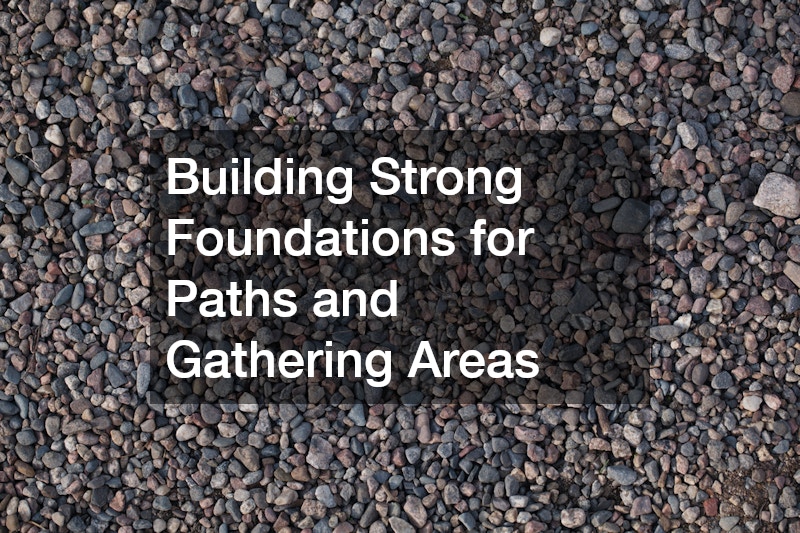
Every functional backyard needs stable surfaces that support movement and activity. Gravel is often used because it provides both durability and drainage while maintaining a natural appearance.
With reliable gravel delivery service, homeowners can establish walkways, seating areas, and transitions between different zones of the yard. These surfaces help define structure without overwhelming the landscape visually.
When properly installed, gravel areas reduce maintenance needs while still supporting flexible design changes in the future.
A successful backyard design is built on coordination rather than individual upgrades. Every decision, from tree placement to structural additions, influences how the space functions as a whole. When these elements are thoughtfully connected, the yard becomes more than just an outdoor area—it becomes an extension of daily living.
One of the most important lessons in outdoor planning is that natural and structural features must work together. Trees, fencing, decks, and pathways each serve different roles, but they all contribute to the same goal: creating a usable, comfortable, and visually balanced environment. When one element is ignored or poorly planned, it can affect the performance of everything around it.
Professional insight can also make a significant difference in achieving that balance. Whether it involves evaluating tree health, designing layouts, or installing structural features, experienced guidance helps ensure that each decision supports long-term success. This reduces the likelihood of costly adjustments later and helps maintain a more cohesive design.
Long-term maintenance is another key factor that often gets overlooked during the planning stage. Outdoor environments are constantly changing due to weather, growth, and regular use. Trees continue to grow, materials gradually wear, and usage patterns evolve over time. A well-designed yard accounts for these changes instead of reacting to them after problems appear.
Ultimately, an effective backyard design is one that feels natural, functional, and easy to use. It should support relaxation, entertainment, and everyday activities without feeling forced or overcrowded. When every feature is placed with purpose and supported by proper care, the outdoor space becomes a lasting part of the home that adds both enjoyment and value for years to come.