
The introduction paragraph here would discuss the overall purpose of the article, defining both hardscaping and landscaping, and explaining the significance of understanding their differences. The realm of outdoor design offers two primary avenues: hardscaping service and landscaping service. While both contribute significantly to property aesthetics and function, their approaches are distinct.
Understanding the divide between hardscaping and landscaping helps homeowners and designers make informed decisions. This knowledge ensures that projects align with personal preferences, environmental considerations, and functional needs.
What is Hardscaping?
Definition and Scope
Hardscaping refers to the incorporation of non-living elements within landscaping. It encompasses a wide range of structures such as patios, walkways, walls, and decks. This approach is rooted in enhancing durability and functionality in outdoor designs. Hardscaping creates a foundational backdrop against which the subtler aspects of a landscape—such as plant life—can shine. Understanding its scope provides insights into the endless possibilities of designing timeless outdoor spaces.
Advantages of Hardscaping
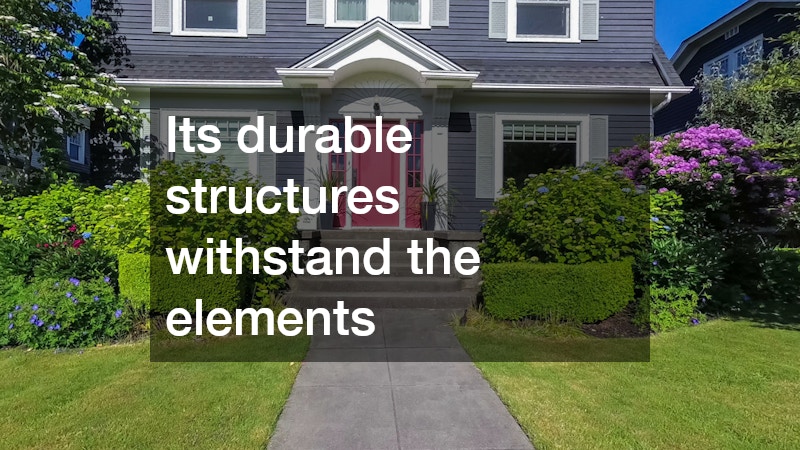
Hardscaping offers numerous advantages that make it an attractive choice for many homeowners. Its durable structures withstand the elements, minimizing maintenance compared to plant-based landscaping. Once installed, patios, walkways, and retaining walls require little upkeep, often only needing routine cleaning or minor repairs. These features also create functional spaces that enhance outdoor living, providing areas for socializing, dining, or relaxation. By incorporating hardscaping elements, homeowners can extend their living spaces into the outdoors, maximizing space utility.
Another advantage of hardscaping is its ability to create clear boundaries and organization within a landscape. Well-defined paths and structures guide movement and direct focus, enhancing both the practical and visual aspects of a garden. Features like retaining walls can solve challenging landscape problems, such as elevation changes or erosion, adding stability and function. Hardscaping can also enhance curb appeal, potentially increasing property value due to its long-lasting nature. These advantages collectively emphasize the versatility and enduring benefits of incorporating hardscape elements in outdoor design.
Environmental considerations further highlight hardscaping’s benefits, as materials like permeable pavers support sustainable water management. By reducing stormwater runoff and promoting groundwater recharge, they integrate ecological responsibility into landscape design. Additionally, hardscaping elements can create microclimates, offering shaded areas or windbreaks that aid plant growth. Through careful planning and design, hardscaping balances functional needs with aesthetic goals, resulting in harmonious and resilient outdoor spaces. The choice to embrace hardscaping lies in its ability to provide lasting value and enhance quality of life through well-planned, beautiful landscapes.
Challenges in Hardscaping
Despite its advantages, hardscaping presents certain challenges that homeowners and designers must consider. One primary concern is ensuring proper drainage around hardscaped areas to prevent water pooling and potential damage. Incorrect installation can lead to issues such as uneven surfaces, shifting materials, or inadequate structural support. Due to its permanence, hardscaping requires careful planning and design to ensure long-term satisfaction and utility. Incorporating these elements into a landscape must account for existing conditions and future maintenance needs.
Another challenge is the often higher upfront cost associated with hardscaping projects compared to traditional landscaping. The investment in durable materials and skilled labor can be substantial, though this is balanced by reduced maintenance expenses over time. Additionally, hardscaping can Impact vegetation, as solid surfaces limit areas for planting and biodiversity. To mitigate this, designs should consider the integration of plant life in specific areas, such as around edges or within designated beds. Balancing the hard and softscape elements ensures a visually appealing and environmentally sensitive design.
The appearance of hardscapes may also present challenges in ensuring an aesthetic harmony with natural surroundings. A balance between manmade structures and organic elements is essential for maintaining an inviting landscape. Careful selection of materials, colors, and textures can help in creating a cohesive atmosphere. Hardscaping projects must also comply with local regulations and building codes, potentially adding to the planning and approval timeline. These challenges reflect the complexity and commitment involved in crafting beautiful, functional hardscapes that stand the test of time.
What is Landscaping?
Definition and Scope
Landscaping encompasses the arrangement and modification of the visible features of an area of land, integrating both natural elements and human creations. It often involves the cultivation of plants and flowers, as well as the creation of spaces that reflect environmental harmony and aesthetic appeal. The living aspects of landscaping breathe life into outdoor spaces, introducing color, texture, and seasonal variation. Landscaping aims to create environments that enhance well-being, offering visual enjoyment and ecological benefits. Its scope ranges from simple garden plots to expansive green spaces, influenced by artistic vision and regional characteristics.
How Does Hardscaping Differ from Landscaping?
Core Differences
Fundamentally, the difference between hardscaping and landscaping lies in the scope of their components and the materials involved. Hardscaping encompasses non-living elements like pathways, retaining walls, and outdoor structures, providing a stable framework for design. In contrast, landscaping focuses on living components such as plants, trees, and grass, contributing vitality and seasonal dynamics to outdoor spaces. While interdependent, hardscape and softscape elements play distinct roles, contributing to overall form and function in unique ways. Understanding these core differences informs design strategies, ensuring cohesion and purpose in landscaping efforts.